Hong Kong's Lamma Island Seagrass Beds: Underwater Superheroes for Biodiversity and Carbon Capture
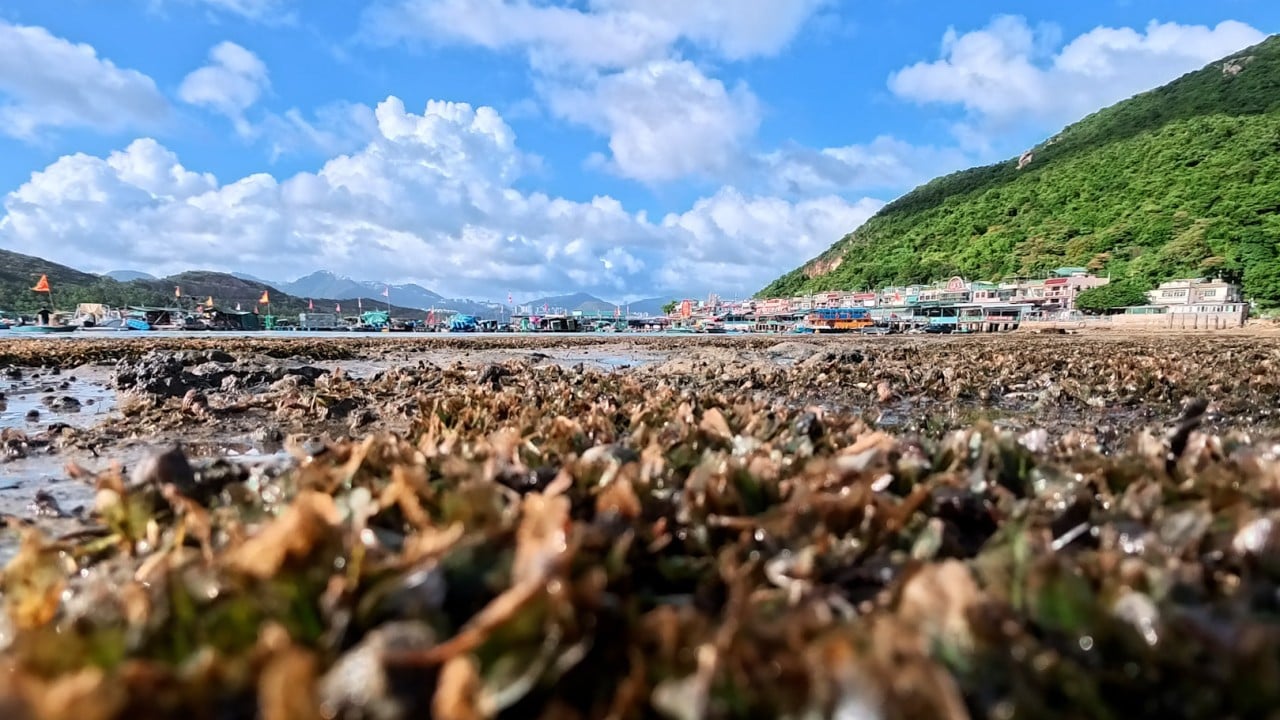
Seagrass beds near Hong Kong's Lamma Island are being recognized for their significant role in enhancing marine biodiversity and combating climate change. Scientists have dubbed these underwater plants "ultimate underwater superheroes" due to their potent ability to absorb carbon dioxide. Remarkably, seagrass can sequester climate-warming carbon 35 times more efficiently than tropical rainforests. Despite their crucial ecological functions, local seagrass populations have experienced a severe decline, dropping by 60 percent over the last two decades. This dramatic reduction in seagrass coverage raises concerns about the health of Hong Kong's marine ecosystems and its capacity to mitigate carbon emissions. Efforts are underway to restore these vital underwater meadows, highlighting their importance for both environmental conservation and climate action.
The decline of seagrass beds in Hong Kong, as indicated by a 60% reduction over two decades, points to significant environmental pressures impacting coastal ecosystems. While seagrass offers a potent natural solution for carbon sequestration, its vulnerability suggests a need for robust conservation strategies and potentially policy interventions to protect these vital habitats. Understanding the drivers behind this decline, such as pollution, coastal development, or changes in water quality, is crucial for effective restoration. Future coastal management frameworks should integrate the ecological and carbon-capture benefits of seagrass, viewing it not just as a biological indicator but as a critical component of climate resilience infrastructure.
AI-generated to prompt reflection — not editorial opinion, not advice, not a statement of fact. How this works.