Hong Kong's Media Industry Needs to Embrace Tech for Growth Amid AI Revolution
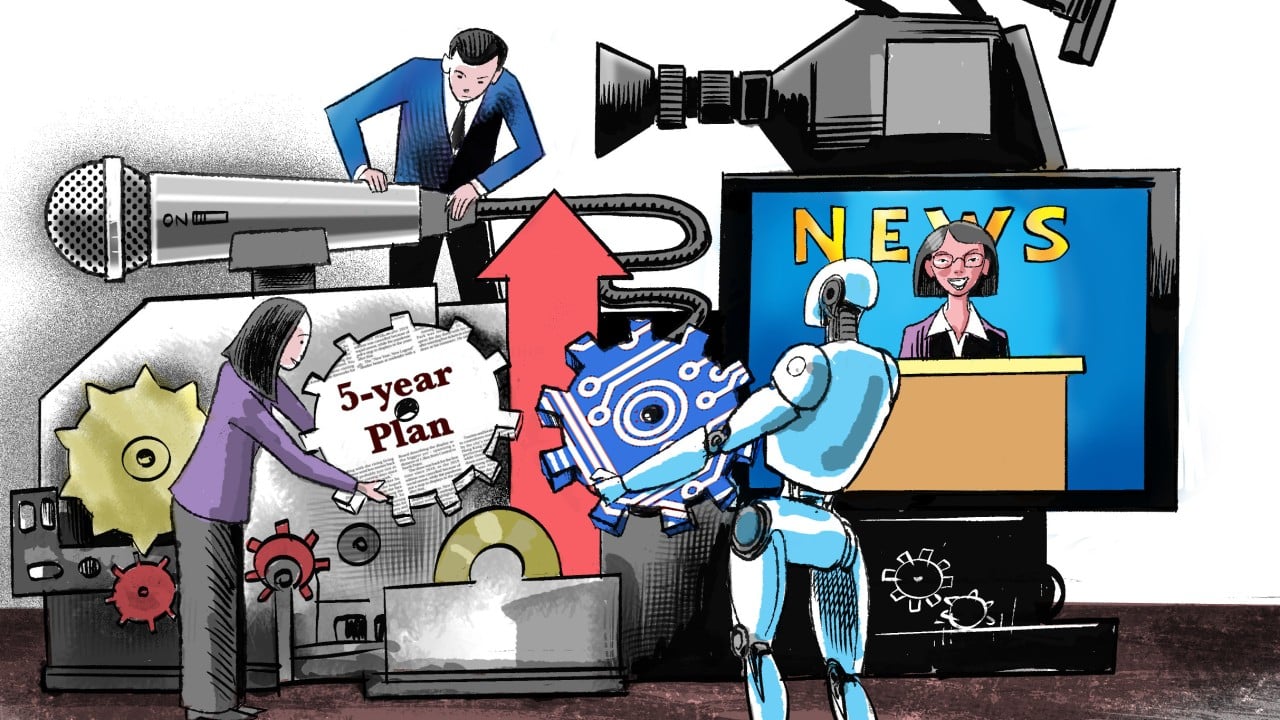
Hong Kong's mainstream media sector has traditionally been hesitant to invest in research and development, often opting for readily available technological solutions. Media executives have viewed technology primarily as a supplementary back-office function rather than a driver of business expansion. This conservative approach is now facing a significant challenge due to the rapid advancements in artificial intelligence (AI), large language models, and Web3 technologies. These emerging technologies present both a threat and an opportunity for the Hong Kong media industry, necessitating a strategic shift in how technology is perceived and integrated. The city's first 5-year plan offers a potential framework for the media industry to adapt and innovate. Embracing these new technologies is crucial for the industry's future growth and relevance. The article suggests that a proactive integration of AI and Web3 can transform media operations and create new avenues for content creation and distribution. This evolution requires a fundamental change in mindset among media leaders, moving from passive adoption to active strategic investment in technological innovation.
The Hong Kong media industry's historical reluctance to invest in R&D and its view of technology as mere back-office support present a critical juncture. The rapid ascent of AI, LLMs, and Web3 necessitates a strategic re-evaluation of this approach. Media organizations must transition from acquiring off-the-shelf solutions to integrating advanced technologies as core components for innovation and growth. Failure to adapt risks obsolescence in an increasingly digital and AI-driven landscape. The city's 5-year plan offers a potential catalyst for this transformation, encouraging a proactive stance. The challenge lies in fostering a culture that embraces technological disruption, viewing it not as a threat but as an opportunity to redefine content creation, distribution, and audience engagement for the next decade.
AI-generated to prompt reflection — not editorial opinion, not advice, not a statement of fact. How this works.