Hong Kong's Northern Metropolis Plan Must Integrate Agriculture
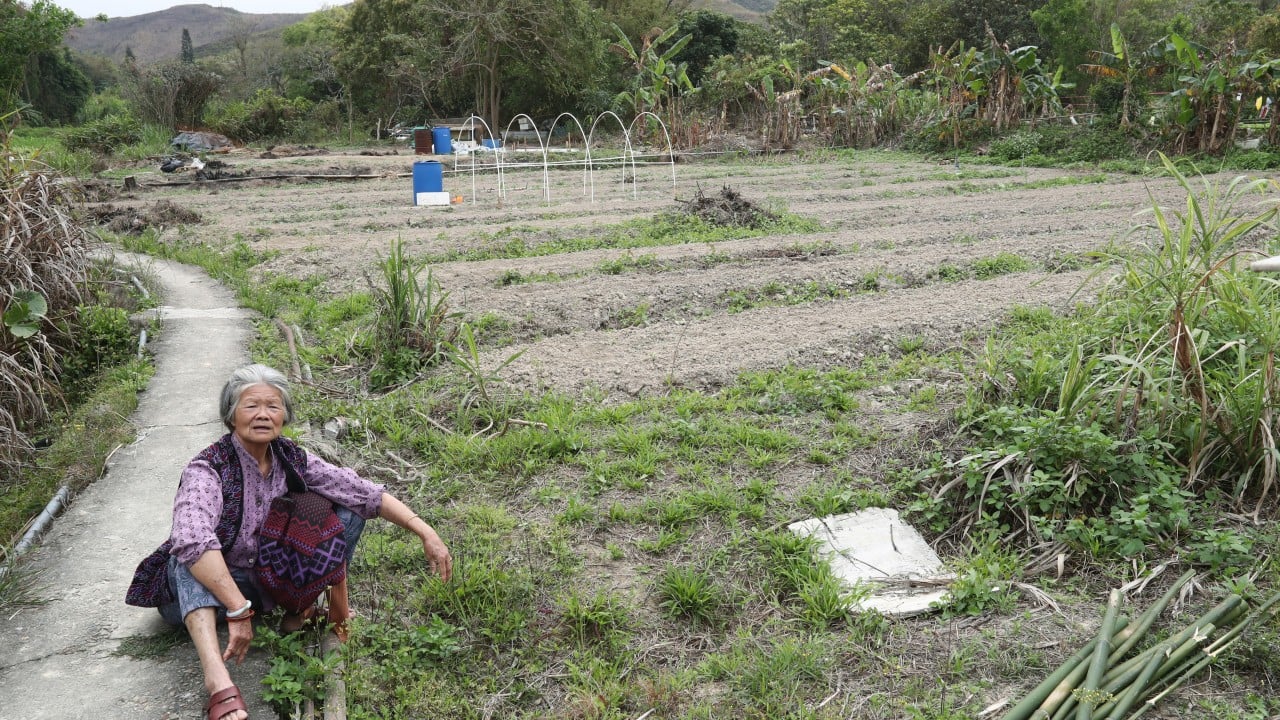
Hong Kong's ambitious Northern Metropolis project, envisioned as a future growth engine, aims to address land scarcity, drive economic transformation, and foster cross-boundary integration. The government has emphasized that nature conservation and urban-rural integration are central to this long-term development. However, a significant tension is emerging within this vision. The project's success in creating a green, sustainable, and livable urban environment may be undermined by the potential neglect of its agricultural lands. These remaining agricultural areas are crucial for supporting the stated goals of sustainability and livability within the Northern Metropolis. The plan's current trajectory risks overlooking the vital role agriculture can play in the region's future development.
The Northern Metropolis project presents a complex challenge in balancing rapid urban development with ecological sustainability and agricultural preservation. The government's stated commitment to nature conservation and urban-rural integration suggests an awareness of the need for a holistic approach. However, the potential marginalization of agricultural land highlights a common tension in megaprojects: the prioritization of immediate economic and housing needs over long-term environmental and food security considerations. Future policy decisions will need to reconcile these competing interests, potentially through innovative land-use planning that integrates agricultural zones within the urban fabric, thereby supporting both the economic ambitions and the stated ecological goals of the Northern Metropolis.
AI-generated to prompt reflection — not editorial opinion, not advice, not a statement of fact. How this works.