Hong Kong's Wild Boar Population Slashed by Over 50% Amid Capture-and-Kill Policy
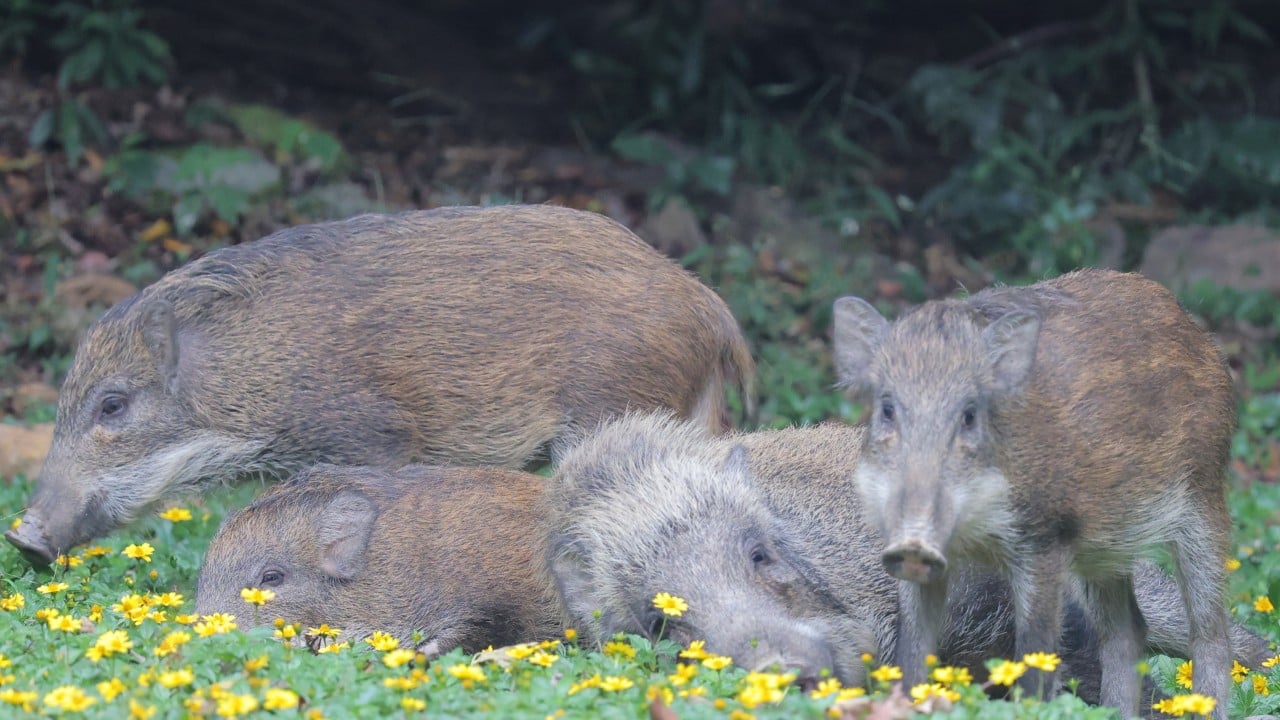
Hong Kong's wild boar population has seen a significant reduction of over 50% in the four years since the implementation of a capture-and-kill strategy. This policy, which began in 2021, has led to a substantial increase in the number of boars culled, rising elevenfold to 723 in the past year. The government has invested HK$105.6 million (US$13.46 million) into this initiative over the four-year period. Concurrently, the number of injuries resulting from wild boar attacks has decreased by 80 percent, indicating a potential correlation between the reduced boar population and public safety. A recent study by the Legislative Council examined the effectiveness and implications of this policy.
The data indicates a direct correlation between Hong Kong's intensive capture-and-kill policy for wild boars and a reduction in both the boar population and human-boar conflict incidents. The significant financial investment of over HK$105 million alongside an elevenfold increase in culling suggests a determined, albeit costly, approach to managing the urban wildlife challenge. While the policy appears effective in its stated goals of reducing boar numbers and attacks, future considerations may involve evaluating the long-term ecological impacts of such a drastic population reduction and exploring alternative, potentially more sustainable, urban wildlife management strategies that balance human safety with biodiversity preservation. Understanding the drivers behind the initial increase in boar presence in urban areas will be crucial for developing comprehensive, forward-looking solutions.
AI-generated to prompt reflection — not editorial opinion, not advice, not a statement of fact. How this works.