Hormuz Crisis Shifts Energy Focus to Algeria as Pipeline Routes Gain Favor
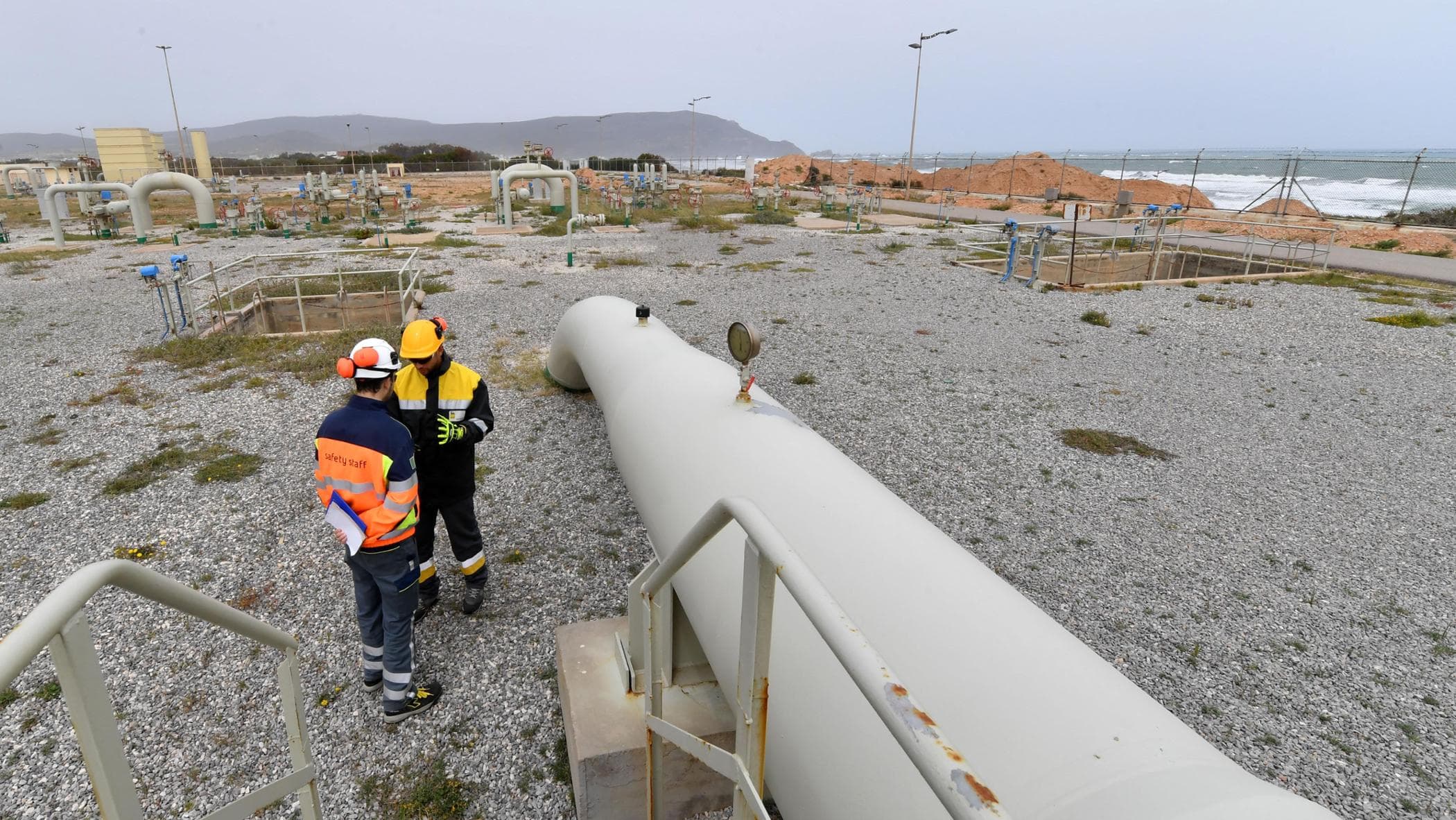
The crisis in the Strait of Hormuz is prompting a significant shift in global energy dynamics, with Algeria emerging as a key alternative supplier for Europe. As liquefied natural gas (LNG) routes become increasingly expensive and fraught with risk, major European nations are actively seeking new gas supplies through pipelines. Spain, Italy, and Germany are reportedly leading this charge, prioritizing direct pipeline connections over the volatile sea routes. This strategic pivot is driven by the escalating geopolitical tensions in the Persian Gulf, which threaten the stability of traditional energy transit points. The increased reliance on pipeline gas from North Africa could reshape energy security strategies for the continent. It also highlights a growing preference for more predictable and potentially less costly supply chains in the face of global instability. The development underscores the vulnerability of maritime energy transport and the strategic importance of land-based infrastructure.
The geopolitical instability surrounding the Strait of Hormuz is creating a clear incentive for energy-importing nations to diversify their supply routes. The heightened risks and costs associated with maritime LNG transport are pushing European countries like Spain, Italy, and Germany to re-evaluate their reliance on sea-based energy flows. This strategic shift towards pipeline gas, particularly from North Africa, reflects a pragmatic response to immediate supply chain vulnerabilities. Over the next decade, this trend could accelerate investments in transcontinental pipeline infrastructure, potentially altering long-term energy market structures and fostering new geopolitical alliances centered on energy transit. The focus on pipelines also raises questions about the future of LNG infrastructure and the potential for stranded assets if pipeline dominance solidifies.
AI-generated to prompt reflection — not editorial opinion, not advice, not a statement of fact. How this works.