Hormuz Effect Pushes Oil Past $100, Gasoline Soars to Two Euros
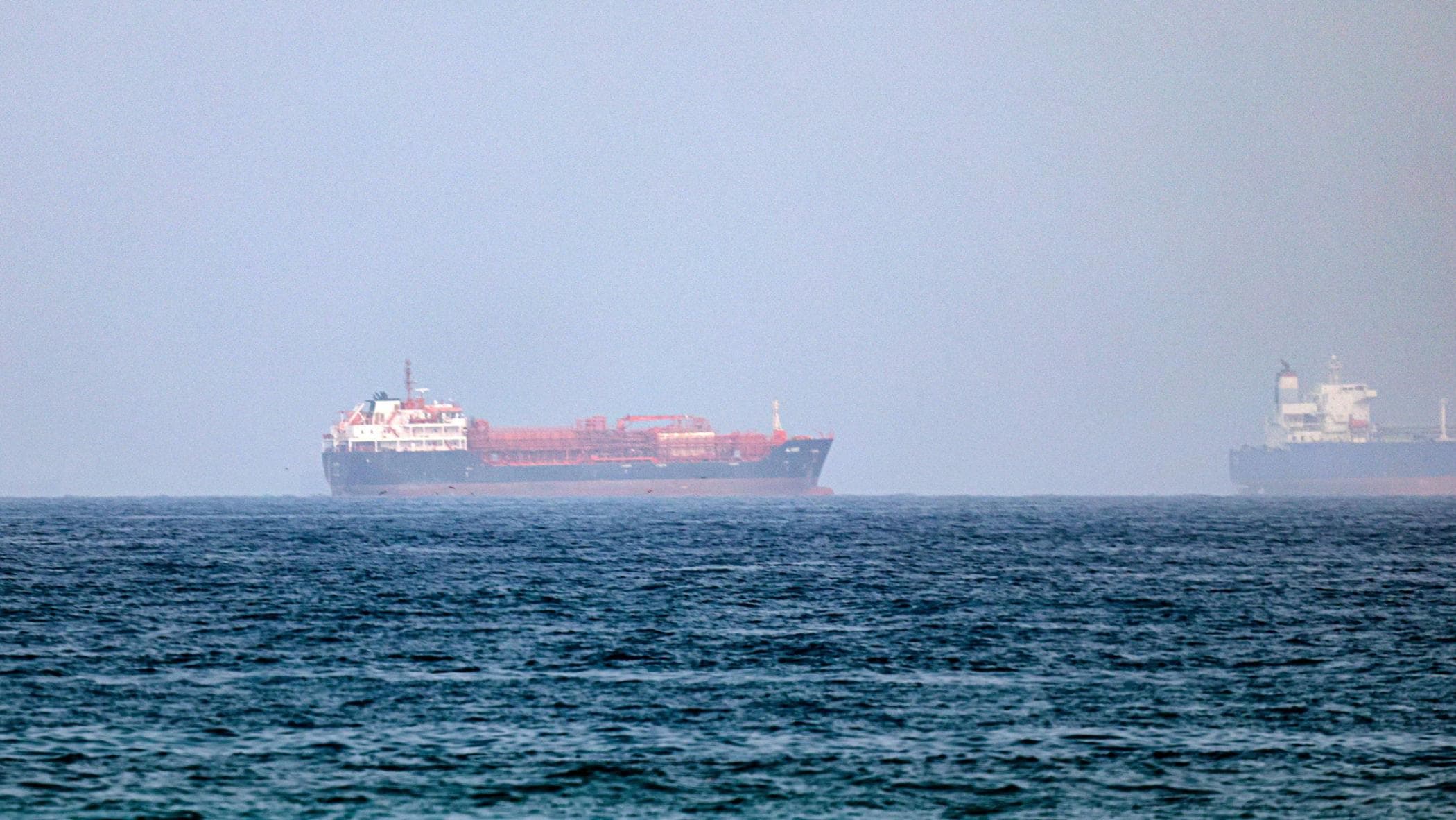
The "Hormuz effect" has caused oil prices to surge past $100 per barrel, with gasoline prices climbing to two euros per liter. This price increase is expected to impose an additional burden of 700 million euros on families due to summer price hikes. Consumer associations are urging the government to cut excise duties on fuel until the end of August to alleviate the financial strain on households. The geopolitical tensions in the Strait of Hormuz are cited as the primary driver behind the sharp rise in crude oil prices, which directly impacts the cost of refined products like gasoline. This situation highlights the vulnerability of global energy markets to regional instability and the significant economic consequences for consumers worldwide. The call for tax reductions reflects a broader concern about the affordability of essential goods and services during periods of economic pressure.
Geopolitical events in key energy transit zones, such as the Strait of Hormuz, demonstrably trigger volatility in global oil markets. This price shock, amplified by summer demand, creates significant inflationary pressure on consumer economies, disproportionately affecting lower-income households. The demand for excise duty cuts reflects a common policy response to mitigate immediate cost-of-living impacts. However, such measures can reduce government revenue and may not address the underlying structural reliance on volatile fossil fuel markets. Future energy policy considerations should focus on diversifying supply chains and accelerating the transition to more stable, renewable energy sources to insulate economies from such external shocks and promote long-term price stability.
AI-generated to prompt reflection — not editorial opinion, not advice, not a statement of fact. How this works.