Hormuz Strait: Can Alternative Routes Sustain Persian Gulf Oil and Gas Exports?
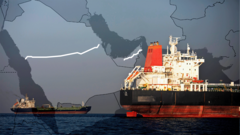
Despite the existence of alternative routes, experts assert that none can replace the strategic importance of the Strait of Hormuz. Approximately one-quarter of the world's seaborne oil trade passes through this vital waterway. The strait's critical role in global energy markets makes any disruption a significant concern for international supply chains. Alternative shipping lanes, while they exist, do not offer the same capacity or direct access to major producers and consumers. The reliance on the Strait of Hormuz underscores its indispensable position in the global energy infrastructure. Any geopolitical tensions or security issues in the region could have far-reaching economic consequences worldwide. Therefore, maintaining the free flow of traffic through the strait remains a paramount interest for many nations.
The Strait of Hormuz's pivotal role in global oil transit highlights the inherent vulnerabilities in concentrated energy supply chains. While alternative routes are explored, their limited capacity and logistical complexities suggest that no immediate substitute can fully mitigate the risks associated with this chokepoint. This situation underscores the enduring geopolitical leverage derived from control over critical infrastructure, prompting ongoing strategic considerations for energy security and market stability. Future technological advancements or shifts in global energy consumption patterns may eventually alter this dynamic, but for the foreseeable decade, the Strait's strategic significance is likely to persist, influencing international relations and economic policies.
AI-generated to prompt reflection — not editorial opinion, not advice, not a statement of fact. How this works.