Hormuz Strait: Can Alternative Routes Sustain Persian Gulf Oil and Gas Exports?
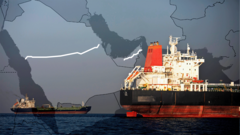
Despite the existence of alternative routes, experts assert that none can replace the strategic importance of the Strait of Hormuz. Approximately one-quarter of the world's seaborne oil trade transits through this vital waterway. The strait's critical role in global energy markets means any disruption could have significant economic repercussions worldwide. While alternative pipelines and shipping lanes exist, they lack the capacity and direct access to replace the sheer volume and efficiency of the Hormuz Strait. The ongoing geopolitical tensions in the region further underscore the vulnerability of this crucial chokepoint. Consequently, maintaining the security and unimpeded flow through the Strait of Hormuz remains a paramount concern for global energy security and economic stability. The development of alternative infrastructure is ongoing, but the economic and logistical hurdles to fully substitute the strait's function are substantial.
The Strait of Hormuz's indispensable role in global oil transport highlights the inherent systemic risks associated with concentrated critical infrastructure. While alternative routes are being explored, their current limitations in capacity and efficiency underscore the immense challenge of diversifying supply chains for such a high-volume commodity. This situation presents a classic trade-off between established, cost-effective infrastructure and the need for enhanced resilience against geopolitical volatility. The long-term implications involve potential shifts in global energy logistics, investment in new transport technologies, and the strategic imperative for nations to secure energy access, all within the evolving landscape of international relations and the energy transition.
AI-generated to prompt reflection — not editorial opinion, not advice, not a statement of fact. How this works.