Hormuz Strait: Can Alternative Routes Sustain Persian Gulf Oil and Gas Exports?
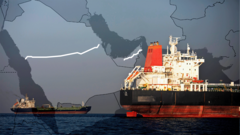
Despite the existence of alternative routes, experts assert that none can replace the strategic importance of the Strait of Hormuz. This vital waterway facilitates approximately one-quarter of the world's seaborne oil trade. The passage remains critical for the export of oil and gas from the Persian Gulf region. Any disruption to this chokepoint could have significant global economic repercussions. While alternative pipelines and shipping lanes exist, they do not possess the same capacity or strategic advantage. The Strait's narrowness and location make it a focal point for global energy security concerns. Its continued accessibility is paramount for maintaining stable international energy markets. The discussion highlights the ongoing challenge of ensuring reliable energy supply amidst geopolitical tensions.
The Strait of Hormuz's irreplaceable role in global oil transit underscores the inherent vulnerabilities in concentrated energy supply chains. While alternative routes are explored, their limited capacity and higher logistical costs highlight the economic and strategic trade-offs involved in energy infrastructure development. This situation prompts consideration of long-term diversification strategies, including investment in non-fossil fuel energy sources and the development of more resilient, decentralized energy networks to mitigate risks associated with single points of failure in critical global chokepoints. The next decade's focus on energy transition and geopolitical stability will likely intensify efforts to reduce reliance on such strategically sensitive passages.
AI-generated to prompt reflection — not editorial opinion, not advice, not a statement of fact. How this works.