Hormuz Strait Conflict Resumes, Fueling Oil Price Uncertainty and Impacting Brazilian Consumers
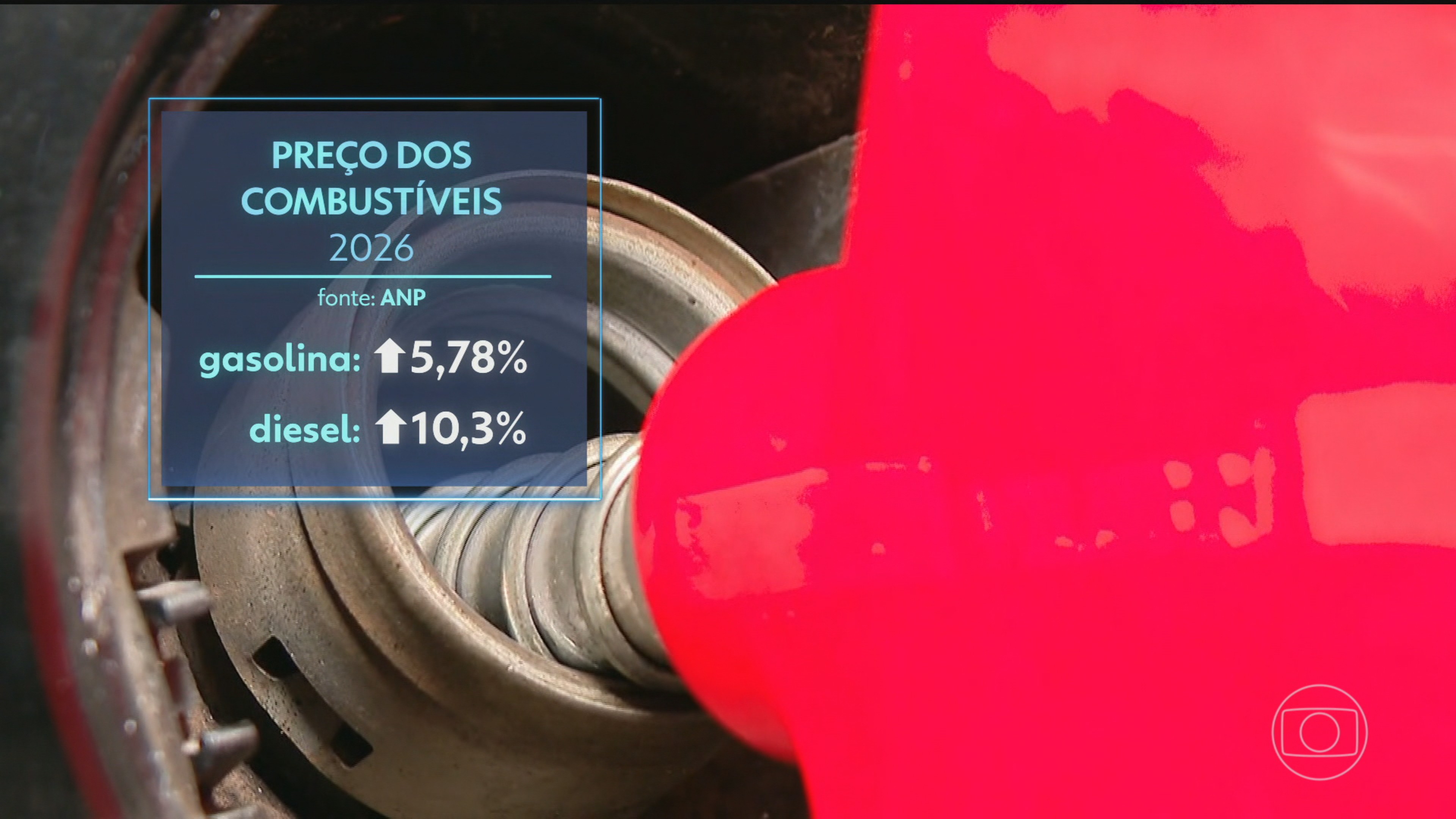
The price of Brent crude oil reached nearly $87 per barrel on Tuesday, May 14th, its highest point since June 12th, before settling at $84 with a 1.7% increase. This resurgence in oil prices, driven by the renewed conflict in the Strait of Hormuz, is directly affecting Brazilian consumers at the pump. Gasoline prices in Brazil have already risen by 5.7% in 2026, and diesel by 10.3%. Despite a nearly 17% increase in Brazilian oil production in May compared to the same period in 2025, higher domestic output does not guarantee lower fuel prices. Brazilian fuel costs are pegged to international market values, a phenomenon that also influences other commodities like coffee, meat, and wheat. David Zylbersztajn, former Director-General of ANP, advises consumers to adapt their consumption patterns, suggesting alternatives when prices surge. Brazil imports approximately 25% of its diesel fuel. The government previously implemented subsidies for fuel producers and importers to mitigate price hikes at the beginning of the conflict. Edmar Almeida, a professor at PUC-Rio's Energy Institute, highlights the government's difficult choice between allowing pump prices to rise or extending subsidies, which carries significant fiscal implications. While domestic production is strategically important for supply security, it does not inherently solve the pricing issue.
The geopolitical instability in the Strait of Hormuz, a critical global oil chokepoint, directly influences international energy markets and consequently impacts commodity-dependent economies like Brazil. While increased domestic production offers a degree of supply security, its limited impact on consumer prices underscores the pervasive influence of global market dynamics. Governments face a persistent dilemma: shielding consumers through costly subsidies risks fiscal strain, while market-driven pricing can exacerbate inflationary pressures and social inequality. This situation highlights the systemic vulnerability of economies reliant on imported energy and the complex trade-offs inherent in energy policy, particularly as the world transitions towards new energy paradigms.
AI-generated to prompt reflection — not editorial opinion, not advice, not a statement of fact. How this works.