Hormuz Strait: Life Returns to Normal After Tensions Ease, Residents Share Experiences
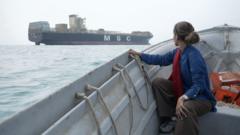
BBC journalists visited Bandar Abbas to assess the impact of the US-Israel conflict with Iran on daily life in the port city. Following a period of heightened tensions, the situation in the region has reportedly eased. The visit aimed to understand how the lives of residents in this strategically important area have been affected by the geopolitical events. Local accounts are being gathered to provide insight into the perceived return to normalcy. The focus is on understanding the ground reality and the sentiment of the people living in Bandar Abbas, a key location on the Hormuz Strait. The reporting seeks to capture the everyday experiences of individuals in the wake of significant international conflict.
The de-escalation of tensions in the Hormuz Strait region, following a period of heightened geopolitical conflict involving Iran, the US, and Israel, suggests a potential shift in regional stability. Reports from Bandar Abbas indicate a return to normalcy, which could reflect a combination of factors including diplomatic efforts, deterrence, or the natural ebb and flow of international crises. Understanding the resilience of local populations and economies in such strategic chokepoints is crucial for assessing long-term regional security dynamics. The economic implications of sustained or intermittent conflict in this vital shipping lane, which accounts for a significant portion of global oil transit, warrant continued observation as global energy markets and supply chains remain sensitive to such disruptions.
AI-generated to prompt reflection — not editorial opinion, not advice, not a statement of fact. How this works.