Hormuz Strait: Life Returns to Normal After Tensions Ease, Residents Share Experiences
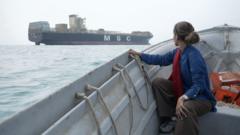
BBC reporters visited Bandar Abbas to assess the impact of the US-Israel conflict with Iran on daily life in the port city. Following a period of heightened tensions, the situation in the region has reportedly eased. The visit aimed to understand how the geopolitical events have affected the residents of Bandar Abbas, a key location situated near the Strait of Hormuz. The reporting focused on gathering firsthand accounts from locals about their experiences and the return to normalcy. The goal was to gauge the extent to which daily routines and the general atmosphere in the city have normalized after the de-escalation of regional conflicts. This on-the-ground reporting sought to provide an objective view of life in a strategically important area.
The de-escalation of tensions in the Strait of Hormuz, a critical global energy chokepoint, suggests a potential recalibration of geopolitical strategies. While immediate conflict may have been averted, the underlying systemic issues driving regional instability persist. The economic and social fabric of communities adjacent to such strategic waterways remains vulnerable to the ripple effects of international disputes. Future stability will likely depend on sustained diplomatic efforts and the development of diversified economic pathways that reduce reliance on volatile transit routes. The long-term implications for global trade and energy security warrant continued observation as geopolitical actors navigate the complex landscape of the Middle East.
AI-generated to prompt reflection — not editorial opinion, not advice, not a statement of fact. How this works.