Hormuz Strait Oil Traffic Nears Halt Amid Escalating US-Iran Tensions
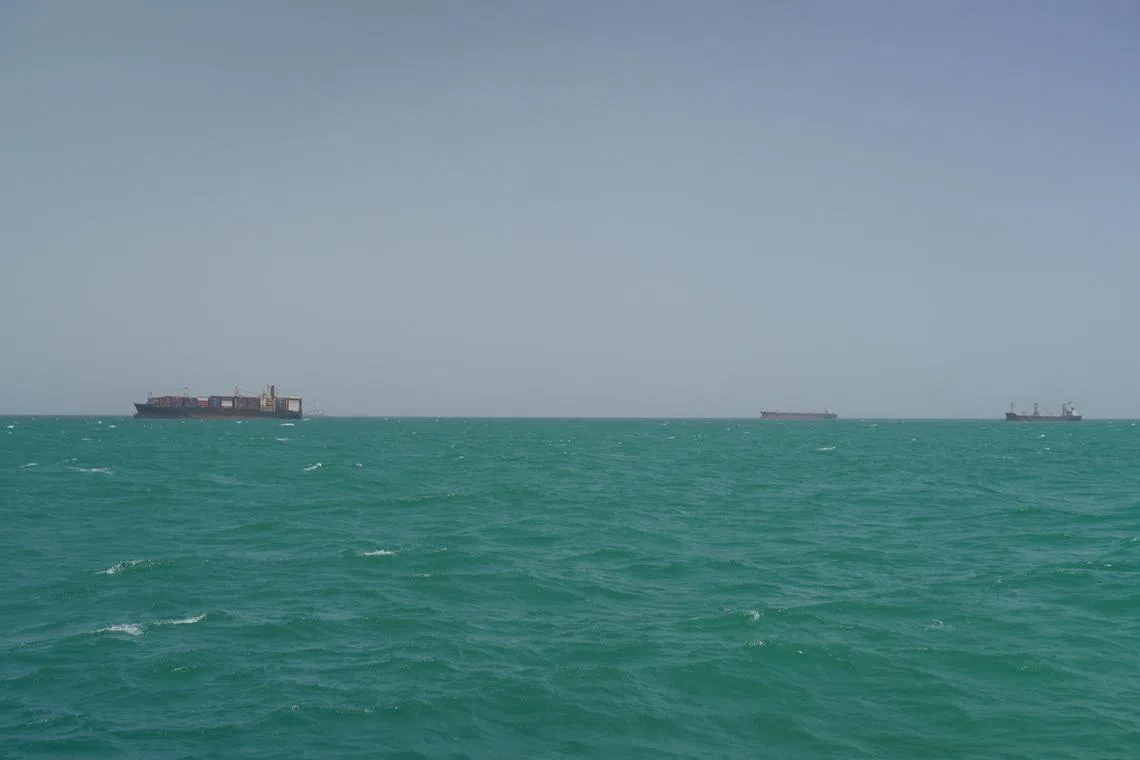
Oil tanker traffic through the Strait of Hormuz has reached a near standstill as of Thursday, July 9. Shipping risks have significantly escalated following renewed U.S. airstrikes on Iran. This action by the United States prompted retaliatory measures from Tehran in the Gulf region. The increased military activity and subsequent geopolitical tensions have created an environment of heightened danger for commercial vessels transiting this critical waterway. The situation suggests a fragile truce has been severely strained, leading to a de facto blockade or severe disruption of oil shipments. The Strait of Hormuz is a vital chokepoint for global oil supply, and any significant disruption there can have immediate and far-reaching economic consequences worldwide. The data and sources indicate a severe impact on maritime trade, with vessels likely rerouting or halting operations to avoid potential conflict.
The severe disruption of oil tanker traffic through the Strait of Hormuz, triggered by renewed U.S. airstrikes and Iranian retaliation, highlights the inherent volatility of strategic chokepoints in periods of geopolitical tension. The economic implications of such disruptions underscore the global reliance on stable maritime trade routes and the significant leverage that actors controlling these passages possess. Future policy considerations might involve exploring alternative energy transport mechanisms or diplomatic frameworks aimed at de-escalating conflicts that directly impact global supply chains. The event serves as a stark reminder of how geopolitical maneuvers can translate into tangible economic consequences, influencing energy markets and international commerce.
AI-generated to prompt reflection — not editorial opinion, not advice, not a statement of fact. How this works.