Hormuz Strait Tensions Force Businesses to Seek Costly Alternatives
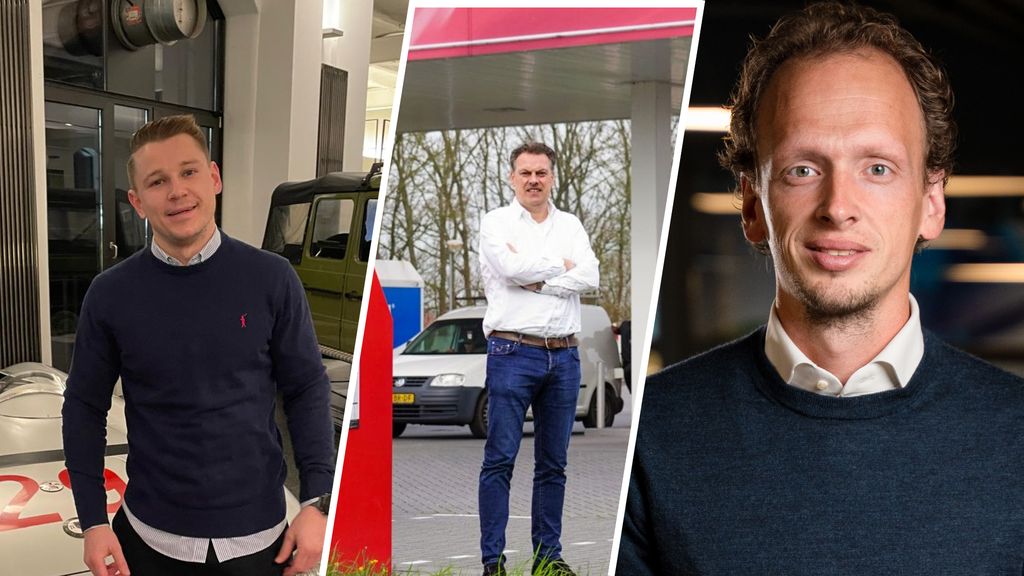
Recent unrest in the Strait of Hormuz has compelled businesses to adapt by seeking alternative shipping routes and strategies, despite ongoing uncertainties. Iran's announcement of a potential closure, met with U.S. assertions of open passage, has created a volatile environment for companies reliant on this crucial waterway. Leon Schulz, a spokesperson for the German container shipping company Hapag-Lloyd, stated that large vessels are temporarily avoiding the Strait of Hormuz as a precautionary measure. This has led to a significant reduction, estimated at 60-80%, in container traffic to the Persian Gulf region. Hapag-Lloyd is rerouting cargo through ports like Jeddah, Dammam, and Khorfakkan, which, while maintaining connections to markets such as the UAE, Saudi Arabia, Kuwait, Qatar, and Iraq, results in longer transit times and strains port capacity. Robert Lesmeister, an exporter for Squiby Foods, shared that a recent shipment took five months to reach its destination, a journey that typically takes four weeks. His company, which exports food products like cheese, fish, and spices to the Middle East, has resorted to air freight and transshipment via intermediate ports, coupled with trucking. Lesmeister noted that while alternative routes are longer and more expensive, customers have shown a willingness to absorb some of the increased costs. He also observed shifts in demand, with reduced supply to hotels due to lower tourism, but unexpected increases in other product categories. Squiby Foods is now operating in a "survival mode" and aims to diversify its markets beyond the Middle East. Stephan Mangnus of the Sakko gas station chain reported that while their fuel supply, largely sourced through the Strait of Hormuz, has decreased, they are mitigating this by sourcing from alternative global suppliers like the U.S., Saudi Arabia, and Venezuela. Although fuel prices have risen, customer traffic remains stable, except at border stations experiencing reduced activity. Sakko is also investing in long-term strategies, including the installation of numerous electric vehicle charging points, to reduce its dependence on oil.
The disruptions in the Strait of Hormuz highlight the systemic vulnerabilities inherent in global supply chains that rely on critical chokepoints. Businesses are demonstrating adaptive capacity by implementing costly rerouting and diversification strategies, reflecting a "survival mode" response to geopolitical instability. This situation underscores the economic imperative for enhanced energy transition and the development of more resilient logistical networks, independent of volatile maritime passages. The reliance on fossil fuels, as exemplified by Sakko's business model, presents a long-term strategic challenge that necessitates proactive investment in alternative energy infrastructure, such as electric vehicle charging, to mitigate future risks and align with evolving global energy paradigms.
AI-generated to prompt reflection — not editorial opinion, not advice, not a statement of fact. How this works.