Hormuz Strait Trade Routes Face Uncertainty Amid US-Iran Tensions
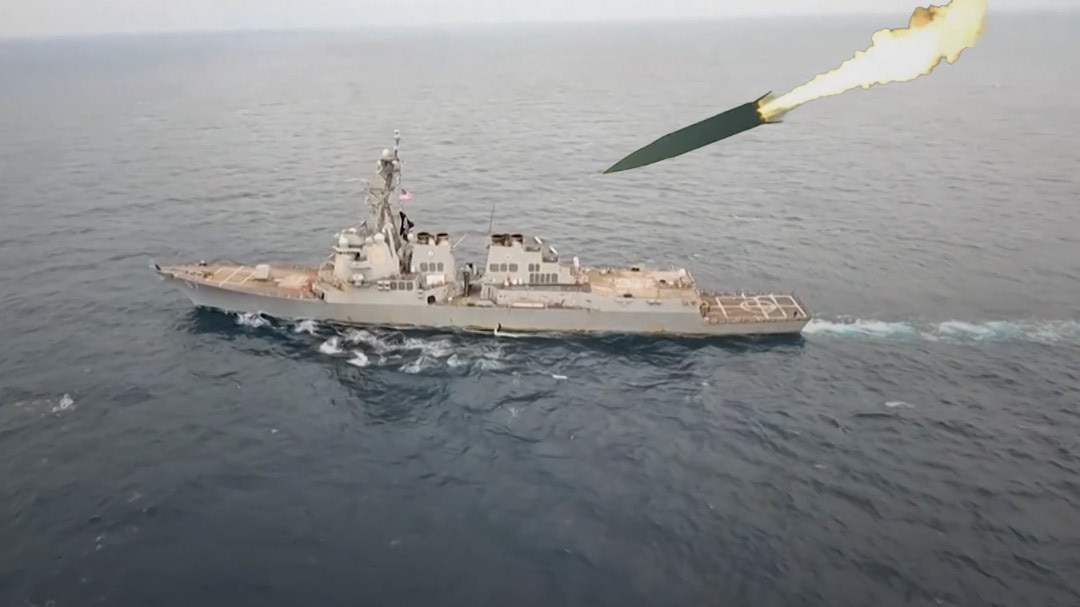
The Strait of Hormuz is experiencing heightened uncertainty for commercial shipping traffic due to separate military activities by the United States and Iran. Iran is emphasizing security and control regulations within the strait, while the U.S. is advocating for the safety of maritime trade. This divergence in approaches has raised significant concerns regarding global energy supplies and international commerce. The strategic waterway is crucial for the transit of oil tankers and other commercial vessels, making any disruption a matter of global economic importance. The differing military postures and stated objectives of the U.S. and Iran create a complex geopolitical environment that directly impacts the reliability of this vital shipping lane. The situation underscores the delicate balance of power and the potential for regional instability to have far-reaching consequences on the global economy.
The geopolitical maneuvering in the Strait of Hormuz highlights the inherent tension between national security interests and the global imperative for free and safe maritime trade. Iran's emphasis on control reflects its strategic leverage derived from controlling this chokepoint, while the U.S. focus on trade security aligns with its role as a global economic power and its alliances. This dynamic creates systemic risk for global energy markets and supply chains, as disruptions, even perceived ones, can trigger price volatility and shortages. Looking ahead, the increasing reliance on AI for optimizing global logistics and energy distribution will make such chokepoints even more critical vulnerabilities. Future strategies will likely involve diversifying supply routes and enhancing autonomous monitoring systems to mitigate risks associated with geopolitical instability in key maritime passages.
AI-generated to prompt reflection — not editorial opinion, not advice, not a statement of fact. How this works.