Hormuz Strait Traffic Dips as US-Iran Ceasefire Falters
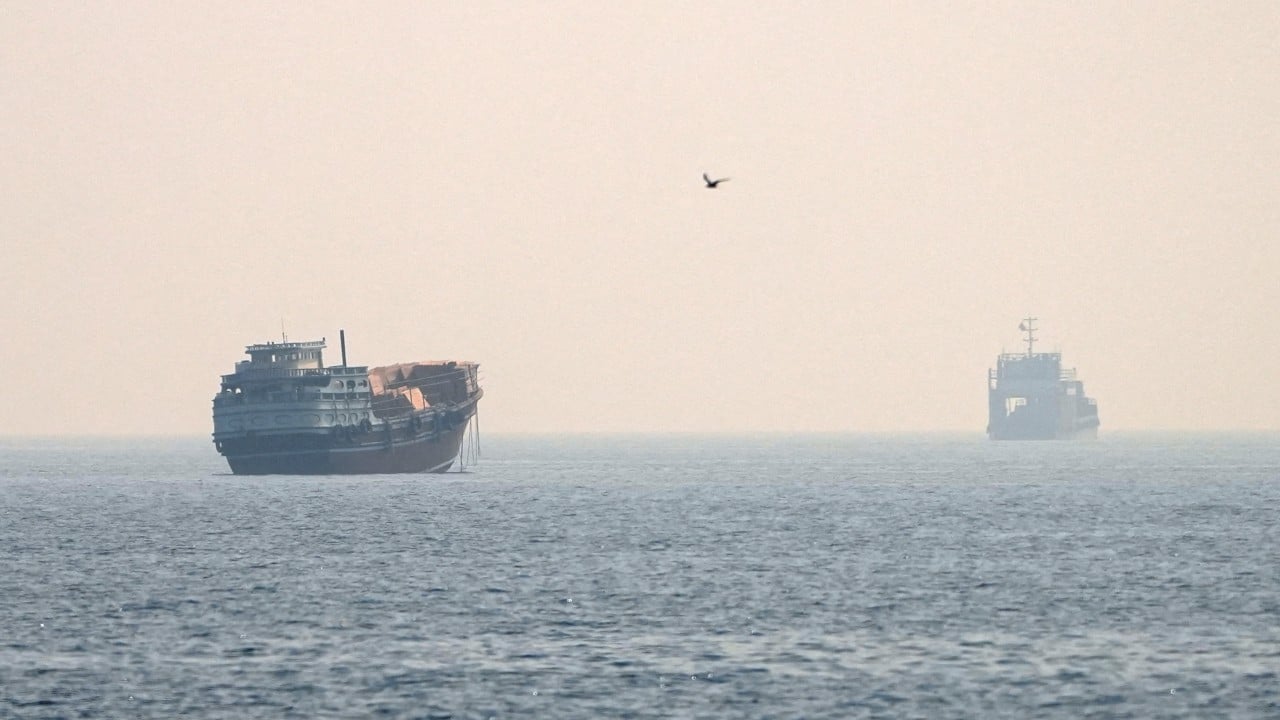
Maritime traffic through the Strait of Hormuz has experienced a significant decline following the United States' decision to end its ceasefire agreement with Iran. This development casts a pall over a nascent commercial recovery in the region. Analysts are expressing concern that unresolved issues within the framework agreement could lead to further tensions and escalation. Data from Veson Nautical, a maritime software and data provider, indicates a sharp drop in vessel transits on Thursday, with only 14 ships passing through the strait, a considerable decrease from the 35 recorded the previous day. This renewed instability threatens the fragile resumption of commercial activity that had begun to emerge.
The cessation of the US-Iran ceasefire and its subsequent impact on maritime traffic through the Strait of Hormuz highlight the fragility of de-escalation efforts in geopolitically sensitive regions. Fluctuations in transit volumes serve as a direct indicator of perceived risk by commercial operators, influencing insurance premiums and operational costs. The underlying dispute, if not addressed through sustained diplomatic engagement and a clear resolution of framework agreement differences, risks creating a persistent state of heightened tension. This could deter long-term investment in regional trade infrastructure and necessitate the development of alternative, potentially less efficient, transit routes, impacting global supply chains.
AI-generated to prompt reflection — not editorial opinion, not advice, not a statement of fact. How this works.