Horse-car collision injures no one in Brazil, but highlights road safety concerns
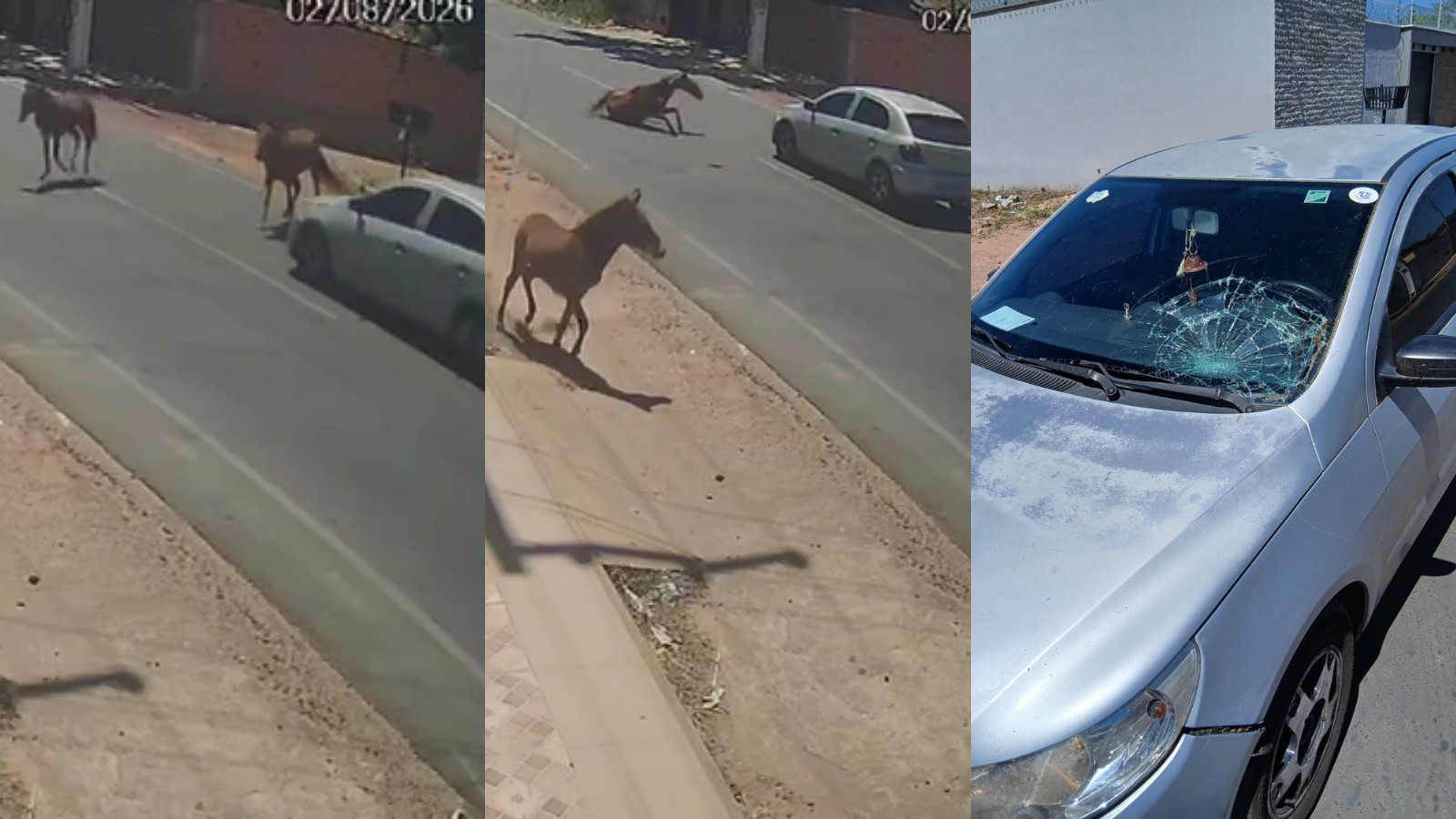
A horse was struck by a car in Floriano, Piauí, Brazil, on Sunday, May 2nd, after suddenly entering an avenue. A security camera captured the incident, showing the horse accompanied by another animal. Following the collision, the struck horse managed to stand and run away. According to a passenger in the car who wished to remain anonymous, the vehicle sustained significant damage, with the windshield being broken, resulting in an estimated R$2,000 in repair costs. The car's occupants included the driver, the passenger's sister, and their one-year-old niece, who was celebrating her birthday. Fortunately, no one in the vehicle was injured. The family was returning from church and reported they were traveling at a safe speed when the horses unexpectedly appeared on the road. The incident was officially reported. The passenger emphasized the recurring danger of loose animals on Floriano's streets, noting that such occurrences have led to fatalities, including a motorcyclist. The owner of the horses has not been identified, and the injured horse's condition is unknown. This incident occurs amidst a larger problem in Piauí, where loose animals on roads have caused 34 deaths between January 1st and July 15th of this year, according to the Public Security Secretariat. Federal Highway Police have removed 1,883 animals from roadways so far this year. State officials have been working since 2025 to raise awareness among animal owners about the dangers of allowing livestock to roam freely near and on roadways.
This incident, while resulting in no human injuries, underscores a persistent public safety challenge in Piauí related to livestock management and road infrastructure. The financial cost of vehicle damage and the potential for severe injury or fatality, as evidenced by past incidents, highlight systemic issues in animal control and property fencing. The state's stated efforts since 2025 to educate owners about risks and promote secure enclosures represent a necessary, albeit potentially insufficient, approach. Future effectiveness will depend on the enforcement mechanisms accompanying these awareness campaigns and the integration of robust urban planning that accounts for animal-related hazards, particularly in areas experiencing rapid development or where traditional land use persists. The long-term solution likely involves a multi-faceted strategy combining owner accountability, infrastructure improvements, and potentially technological solutions for animal tracking or containment.
AI-generated to prompt reflection — not editorial opinion, not advice, not a statement of fact. How this works.
