Hospital do Ursinho Program Eases Childhood Fear of Doctors Through Play
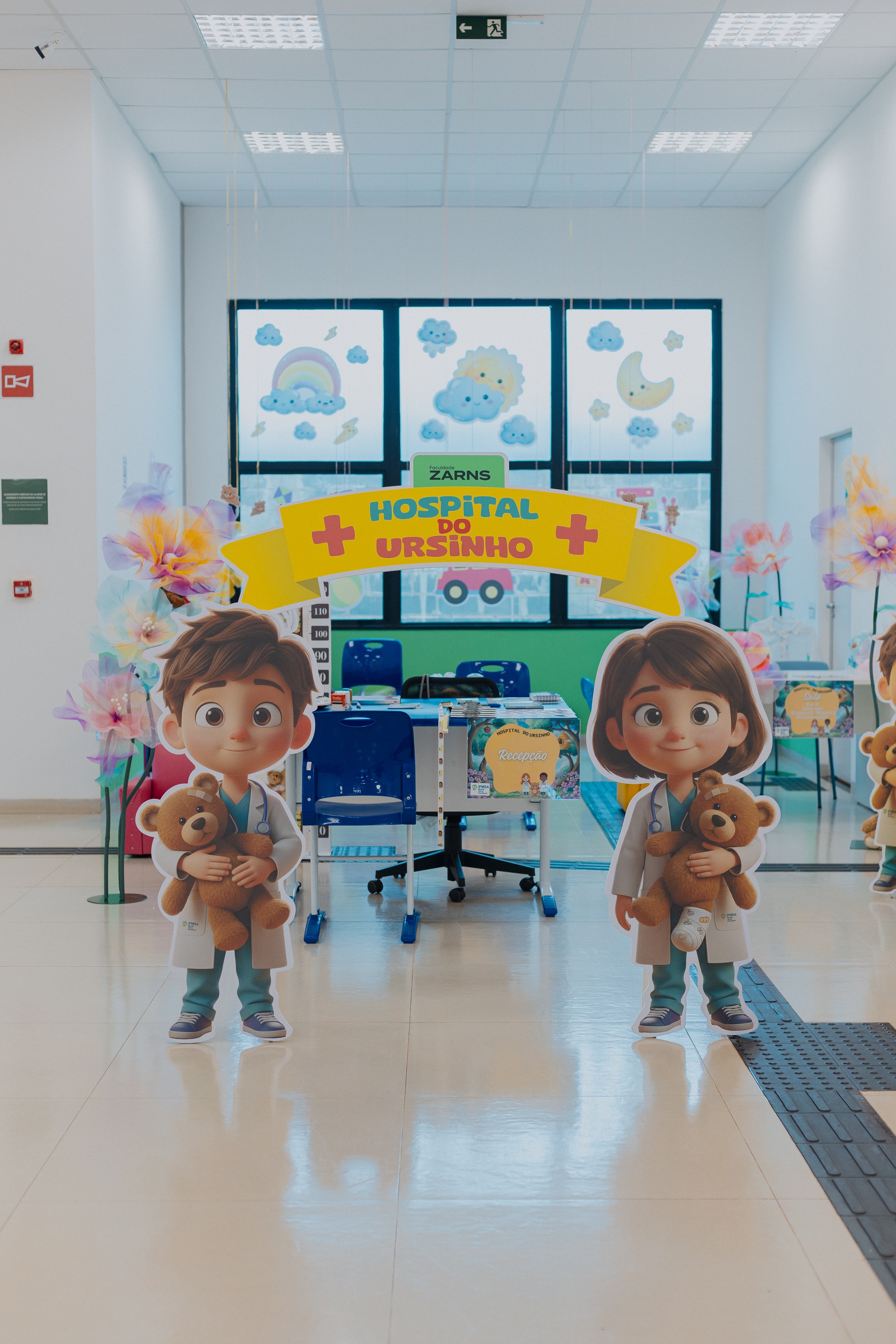
The "Hospital do Ursinho" (Little Bear Hospital) program at the Zarns Itumbiara Faculty of Medicine in Brazil aims to reduce children's anxiety and fear associated with medical visits and hospital environments. This initiative utilizes playful, welcoming experiences to foster trust between young patients and healthcare professionals. During the program, each child receives a stuffed bear and is encouraged to care for it as if it were a patient, simulating medical consultations, applying bandages, and using instruments like stethoscopes. This interactive approach teaches children about vaccinations, oral hygiene, and other health practices in a non-intimidating way.
Dr. Maricel Abdala, who leads the program at the faculty, emphasizes that while fear of doctors is a normal part of childhood development, it doesn't have to be a permanent obstacle. By providing a supportive environment and respecting a child's pace, healthcare providers can build crucial trust from an early age. The program also benefits medical students, offering them practical experience in communication, active listening, and empathetic care, thereby enhancing their humanistic medical training. Giovana Martins Marinho, a student participant, noted how the experience deepened her understanding that patient care extends beyond treating illness to building confidence and alleviating fear.
This initiative, adapted from an international IFMSA project, is implemented at the faculty's Clínica-Escola, Ambulatório José Gomes da Rocha, which provides free healthcare services to the local community. Medical students conduct the activities under faculty guidance, observing how children transition from shyness to curiosity and confidence. The program underscores the importance of emotional support, with smiles and explanations being as vital as medication in pediatric care, contributing to a more positive and less fearful relationship between children and the healthcare system.
The "Hospital do Ursinho" program addresses a significant systemic challenge in pediatric healthcare: the common fear and resistance children experience towards medical professionals and facilities. By reframing medical interactions as playful, child-centric activities, the initiative seeks to build a foundation of trust and reduce long-term healthcare avoidance. This approach acknowledges the psychological impact of early healthcare experiences, which can influence future health-seeking behaviors. For medical education, integrating such humanistic components into the curriculum is crucial for cultivating a generation of practitioners adept at empathetic communication and patient-centered care, moving beyond purely clinical outcomes. In the evolving landscape of healthcare, where patient engagement is paramount, innovative methods like this are vital for fostering positive health literacy and ensuring equitable access to care by mitigating psychological barriers from a young age.
AI-generated to prompt reflection — not editorial opinion, not advice, not a statement of fact. How this works.