Hospital São Marcos to Resume SUS Cancer Patient Admissions After Emergency Funding
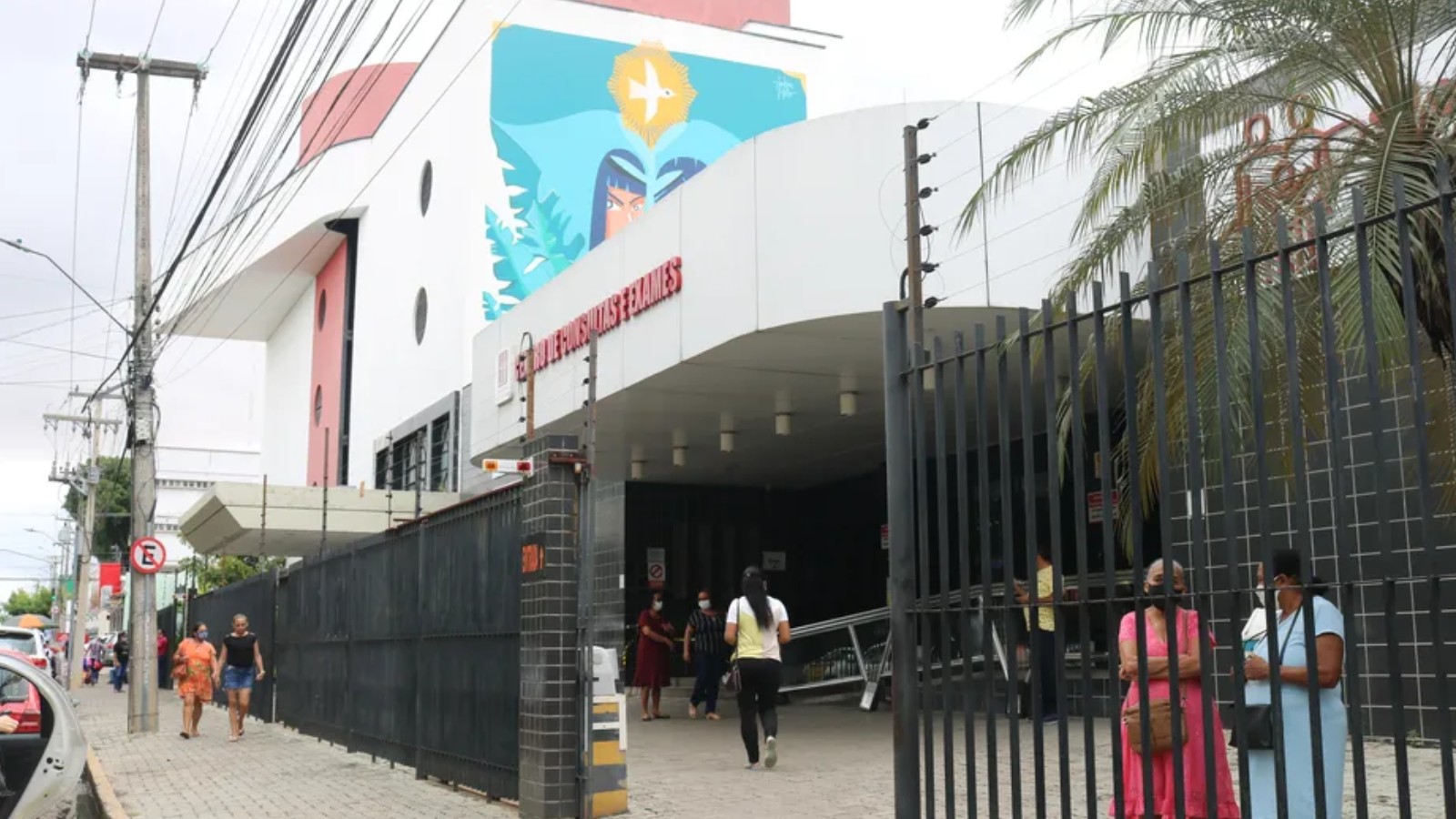
Hospital São Marcos is preparing to resume admitting new patients through Brazil's Unified Health System (SUS) for cancer treatment. This decision follows an emergency disbursement of R$ 1.5 million from the Ministry of Health. The hospital had temporarily halted admissions for new oncology patients on July 3rd, citing a need for R$ 4 million in monthly reinforcements beyond existing resources to maintain services. Representatives from the Ministry of Health, the Piauí State Health Secretariat (Sesapi), and the Teresina Municipal Health Foundation (FMS) are conducting technical visits to assess the hospital's needs and ensure the continuity of oncological care. These assessments include reviewing patient care processes, inventory levels, and essential supplies. The emergency funds are designated for Sesapi to procure necessary supplies for the hospital's operational capacity. Technical director Dr. Marcelo Martins stated that this funding represents a significant step forward, allowing the hospital to resume accepting new SUS patients, including those awaiting referral. The hospital management expressed gratitude for the collaboration with public health officials, emphasizing the importance of dialogue for sustaining essential services for the population of Piauí.
The temporary suspension of critical oncological services at Hospital São Marcos highlights systemic challenges within Brazil's SUS, particularly concerning sustainable funding models for specialized care. The emergency R$ 1.5 million injection, while providing immediate relief, underscores the recurring need for robust financial planning and resource allocation to prevent service disruptions. Future sustainability will likely depend on a comprehensive review of the financial framework supporting high-demand, high-cost treatments like oncology, potentially involving multi-year budget commitments and enhanced inter-governmental coordination to ensure consistent operational capacity. This situation prompts consideration of innovative public-private partnerships or efficiency improvements within the existing SUS structure to meet the growing healthcare demands of the Piauí region and beyond.
AI-generated to prompt reflection — not editorial opinion, not advice, not a statement of fact. How this works.