Hospital Santa Júlia Debuts Da Vinci X Robotic Surgery System
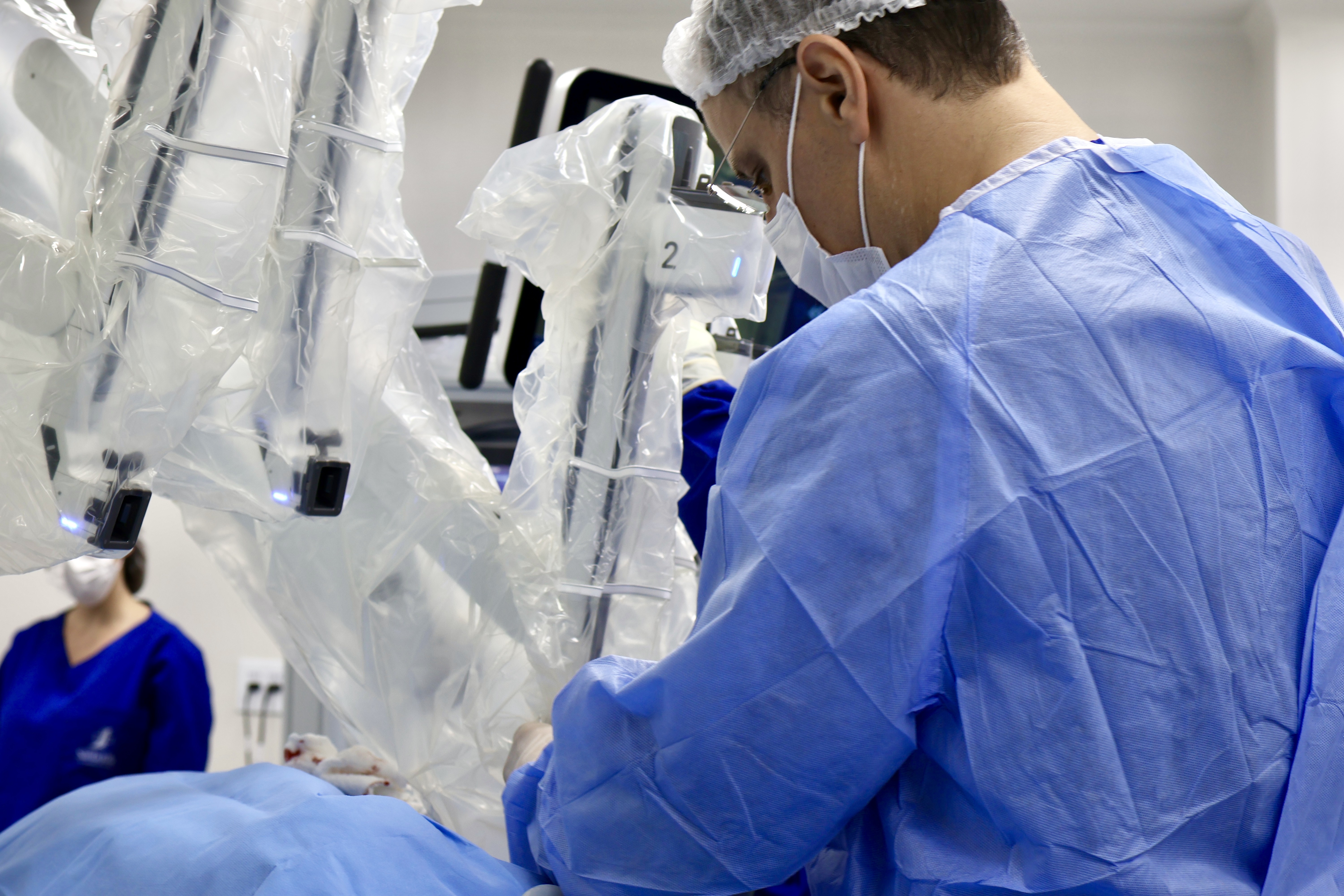
Hospital Santa Júlia in Manaus, Brazil, has officially launched its robotic surgery program with the Da Vinci X system, marking a significant advancement in minimally invasive procedures for the Amazonas region. The hospital recently concluded a week of complex surgeries, primarily in urology, utilizing the new robotic technology. Procedures performed included treatments for prostate cancer, kidney cancer, adrenal gland tumors, and benign prostatic hyperplasia, alongside a robotic transvesical prostatectomy. Dr. Dimas Melão, a urologist and coordinator of robotic surgeries at the hospital, stated that this initiative is the culmination of months of planning and preparation. Dr. Melão, who is certified in robotic surgery and previously performed such procedures in São Paulo, aims to provide Amazonian patients with access to world-class robotic surgical care without needing to travel. The hospital invested not only in the Da Vinci X system but also in extensive theoretical and practical training for its medical and support staff, including doctors, nurses, anesthesiologists, and instrument technicians. The Da Vinci X system enhances precision and control in minimally invasive surgery, offering a high-definition 3D view, delicate instrument movements, and access to difficult-to-reach areas. Benefits for patients may include reduced bleeding, less postoperative pain, shorter hospital stays, and faster recovery. Dr. Melão emphasized that the robot is a tool controlled entirely by the surgeon, not an autonomous device. This robotic surgery program continues Hospital Santa Júlia's history of innovation, which includes establishing the first organ transplant center in Northern Brazil and implementing Manaus's first humanized cardiologic ICU. Dr. Edson Sarkis, the hospital's founder, views the Da Vinci X as a crucial step in modernizing healthcare in Amazonas, ensuring local patients receive advanced treatments comparable to those in major national centers. The initial surgeries focused on conditions with well-documented benefits from robotic intervention, prioritizing patient well-being and reducing the emotional and financial burden on families by enabling treatment within the state.
The introduction of the Da Vinci X robotic surgical system by Hospital Santa Júlia represents a strategic investment in advanced medical technology, aiming to elevate healthcare standards in the Amazonas region. By offering sophisticated minimally invasive procedures locally, the hospital addresses a critical gap in access to specialized care, potentially reducing healthcare disparities and improving patient outcomes. This move aligns with global trends in surgical innovation, where robotic assistance is increasingly recognized for its potential to enhance precision and facilitate faster recovery. The hospital's emphasis on comprehensive staff training underscores a commitment to operational excellence and patient safety. Looking ahead, the success of this program will likely depend on sustained investment, ongoing professional development, and the ability to integrate robotic surgery into a broader spectrum of specialties, solidifying its position as a regional leader in complex medical interventions.
AI-generated to prompt reflection — not editorial opinion, not advice, not a statement of fact. How this works.