Hotels Embrace Digital Check-in, Reducing Staff and Personalizing Stays
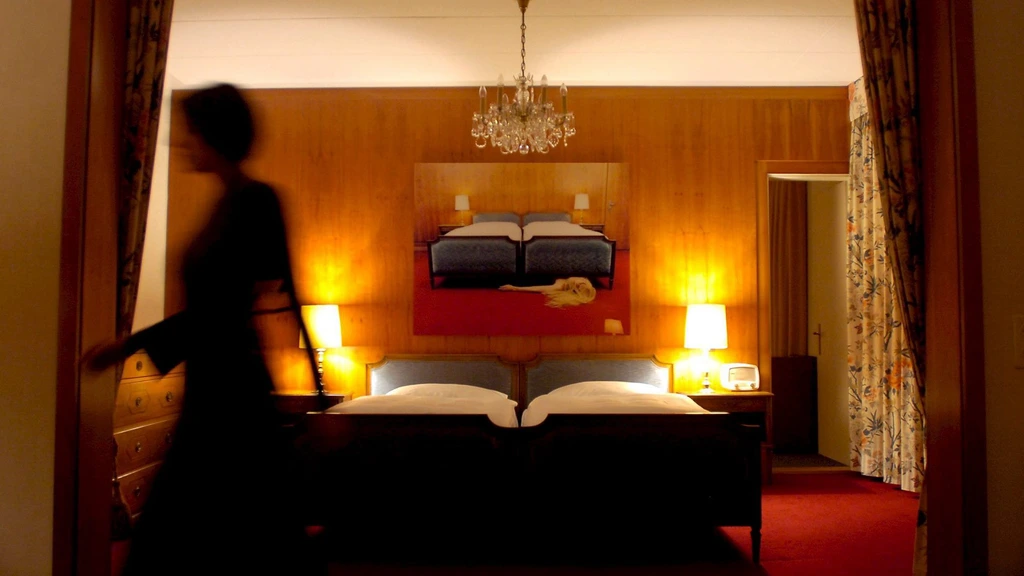
Hotels across the Netherlands are increasingly adopting digital check-in processes, allowing guests to use tablets, digital keys, or even holograms instead of traditional receptionists. Hotel Moloko in Enschede has eliminated all staff except cleaners, with owner Harald Droste stating everything from reservations to payment and check-out is handled digitally via smartphone. Koninklijke Horeca Nederland (KHN) confirms this trend, attributing it to a widespread staff shortage in the hospitality sector, which makes round-the-clock reception coverage difficult and expensive. For smaller establishments like The Guesthouse in Gouda, with only eleven rooms, employing a full-time receptionist would necessitate higher room rates, a trade-off owner Lennart van Gastel wishes to avoid to maintain affordability. While self-check-in is not new, particularly in budget accommodations, its expansion into mid-range and higher-end hotels signifies a shift in hospitality norms. Michel Brokke, a hotel management lecturer at Breda University of Applied Sciences, notes that the COVID-19 pandemic normalized digital interactions, and technological advancements have improved the reliability of these systems. Even hotels like Via Via in Leeuwarden, with 74 rooms, opt for fully digital check-ins, freeing up staff time for more personalized guest interactions rather than administrative tasks. Guests can often seek assistance via chat, as implemented at Hotel Moloko, or through a designated host, as at Via Via. While some guests find the lack of a physical receptionist impersonal or challenging if they are not tech-savvy, the overall guest reaction is largely positive, with many appreciating the avoidance of queues and paperwork. The digital process also provides hotels with valuable guest data, enabling personalized experiences and better insights into guest behavior. Despite the cost savings and efficiency gains, most hotel owners still consider fully unstaffed operations, reliant solely on chatbots, impractical for maintaining a relaxing guest experience, as illustrated by an incident where a guest locked out due to a forgotten phone was assisted by reserve keys from a nearby pub.
The shift towards digital check-in in the Dutch hotel industry reflects broader technological adoption driven by economic pressures, primarily labor costs and shortages. This trend leverages guest comfort with digital interactions, accelerated by recent global events, to streamline operations. While offering potential for enhanced personalization through data collection and reduced administrative overhead, it introduces a trade-off between efficiency and traditional human-centric hospitality. The system's success hinges on robust technological infrastructure and accessible support for all guest demographics, particularly those less digitally inclined. Future iterations will likely balance automation with human touchpoints, optimizing operational costs while preserving guest satisfaction and adapting to evolving expectations for convenience and personalized service in the digital age.
AI-generated to prompt reflection — not editorial opinion, not advice, not a statement of fact. How this works.