Hotman Paris Meets PWI Chairman Over Alleged Journalist Insult
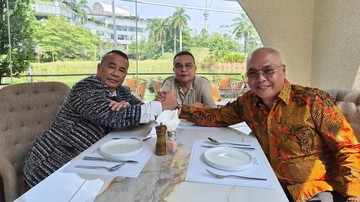
Prominent lawyer Hotman Paris has met with the Chairman of the Indonesian Journalists Association (PWI), Akhmad Munir. The meeting was also attended by the Deputy Speaker of the House of Representatives, Sufmi Dasco. The discussion centered on a report concerning an alleged insult directed at a journalist. This encounter highlights the ongoing tensions and legal considerations surrounding public figures' interactions with the press in Indonesia. The specific details of the alleged insult and the proposed resolution were not disclosed in the initial report. However, the involvement of high-profile individuals suggests the seriousness with which the matter is being treated. PWI's role in such situations is crucial for upholding journalistic standards and protecting its members. The meeting, facilitated by Sufmi Dasco, indicates a potential effort to mediate or find a resolution outside of formal legal proceedings. Further developments are anticipated as the parties involved navigate this sensitive issue.
This meeting between a prominent lawyer, a journalist association leader, and a high-ranking legislator suggests a proactive approach to managing potential defamation disputes involving media professionals. The interaction underscores the complex interplay between public figures, legal recourse, and the press. It highlights the incentive for influential individuals to seek informal resolutions to protect reputations and avoid protracted legal battles, which can be costly and damaging. From a systemic perspective, such engagements can either reinforce or challenge existing norms of media accountability and freedom of expression. The involvement of the Deputy Speaker of the DPR indicates the potential for legislative or policy considerations to arise, particularly concerning the protection of journalists and the regulation of public discourse in the digital age. The outcome of this discussion could set a precedent for how similar grievances are addressed in the future, balancing the rights of individuals with the public's interest in a free and responsible press.
AI-generated to prompt reflection — not editorial opinion, not advice, not a statement of fact. How this works.