House Blessing in Ilocos Norte Sparks Controversy Between Canada and Hawaii Residents
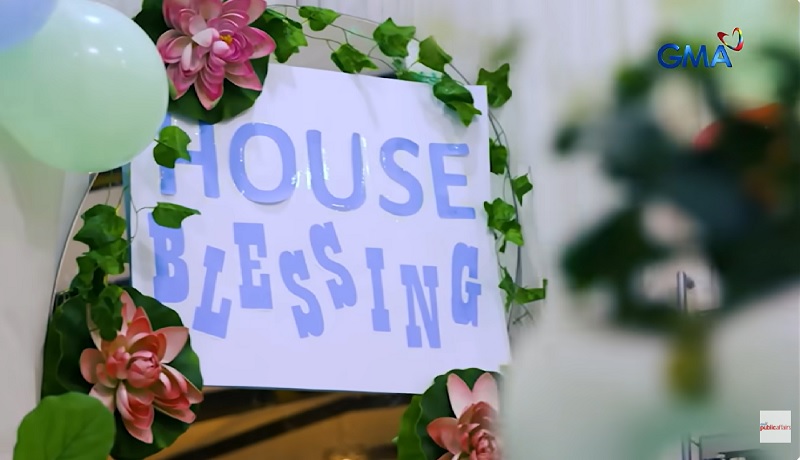
A house blessing ceremony in San Nicolas, Ilocos Norte, recently became a subject of intense social media discussion. The event was reportedly initiated by a Filipina residing in Canada, who allegedly arranged for the blessing of a house. However, the celebration was abruptly halted when the actual owner of the property, who is currently in Hawaii, lodged a complaint. The true owner's objection brought the festivities to a standstill, raising questions about the circumstances surrounding the house blessing. The situation has generated significant public interest, with many seeking to understand the full narrative behind this peculiar controversy. Details regarding how the individual in Canada came to arrange a blessing for a house they do not own, and how the owner in Hawaii became aware of the unauthorized event, are central to the unfolding story. The incident highlights a complex situation involving property rights and potentially miscommunication or deception across international borders.
This situation presents a complex scenario involving property ownership, international communication, and potentially unauthorized use of a residence. The core issue appears to stem from a significant disconnect between individuals located in different countries—Canada and Hawaii—and a property situated in the Philippines. Understanding the legal framework governing property rights in the Philippines, especially concerning absentee owners and potential third-party arrangements, is crucial. The incident may also highlight vulnerabilities in communication channels and the importance of clear title verification when undertaking significant events like a house blessing. Future considerations could involve enhanced digital verification processes for property-related activities, particularly when parties are geographically dispersed, to prevent such disputes and ensure respect for ownership rights.
AI-generated to prompt reflection — not editorial opinion, not advice, not a statement of fact. How this works.