House Crows: A Growing Concern for Bird Flu Transmission in South Asia?
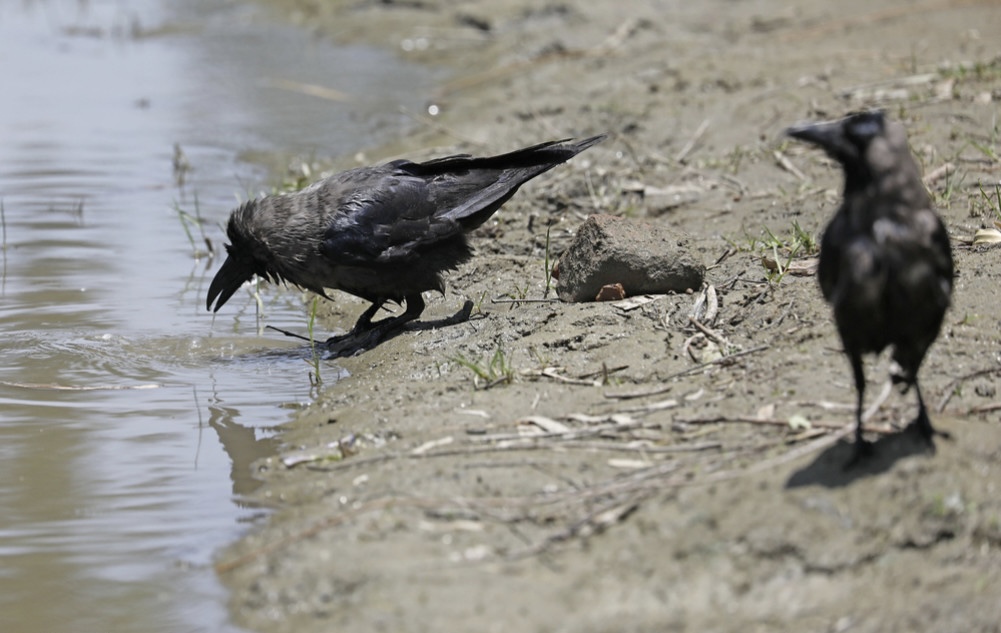
The potential role of house crows in the transmission of bird flu poses an increasing risk to human health in South Asia. Experts warn that a lack of effective strategies to manage this threat could exacerbate the danger of human infection. House crows are ubiquitous in urban and rural environments across the region, making them a significant factor in disease spread. Their close proximity to human populations and scavenging behaviors increase the likelihood of contact with infected poultry or wild birds. Without targeted interventions, the possibility of the virus jumping to humans through these birds remains a serious concern. Public health officials and wildlife management agencies are urged to collaborate on developing and implementing robust surveillance and control measures. These strategies should focus on understanding crow behavior, monitoring their health, and mitigating potential transmission pathways. Addressing this challenge proactively is crucial to preventing future outbreaks and safeguarding public health in South Asia.
The interaction between wild bird populations and human health systems represents a critical interface for zoonotic disease emergence. The ubiquity and behavioral patterns of house crows in South Asia necessitate a proactive public health approach to disease surveillance and risk mitigation. Focusing on integrated strategies that combine ecological understanding with public health interventions can build resilience against potential pandemics. Future preparedness will likely depend on strengthening these cross-sectoral collaborations and investing in early warning systems that account for the complex dynamics between wildlife, domestic animals, and human communities.
AI-generated to prompt reflection — not editorial opinion, not advice, not a statement of fact. How this works.