House Democratic Leaders Divided Over U.S. Aid to Israel Amid Shifting Public Opinion
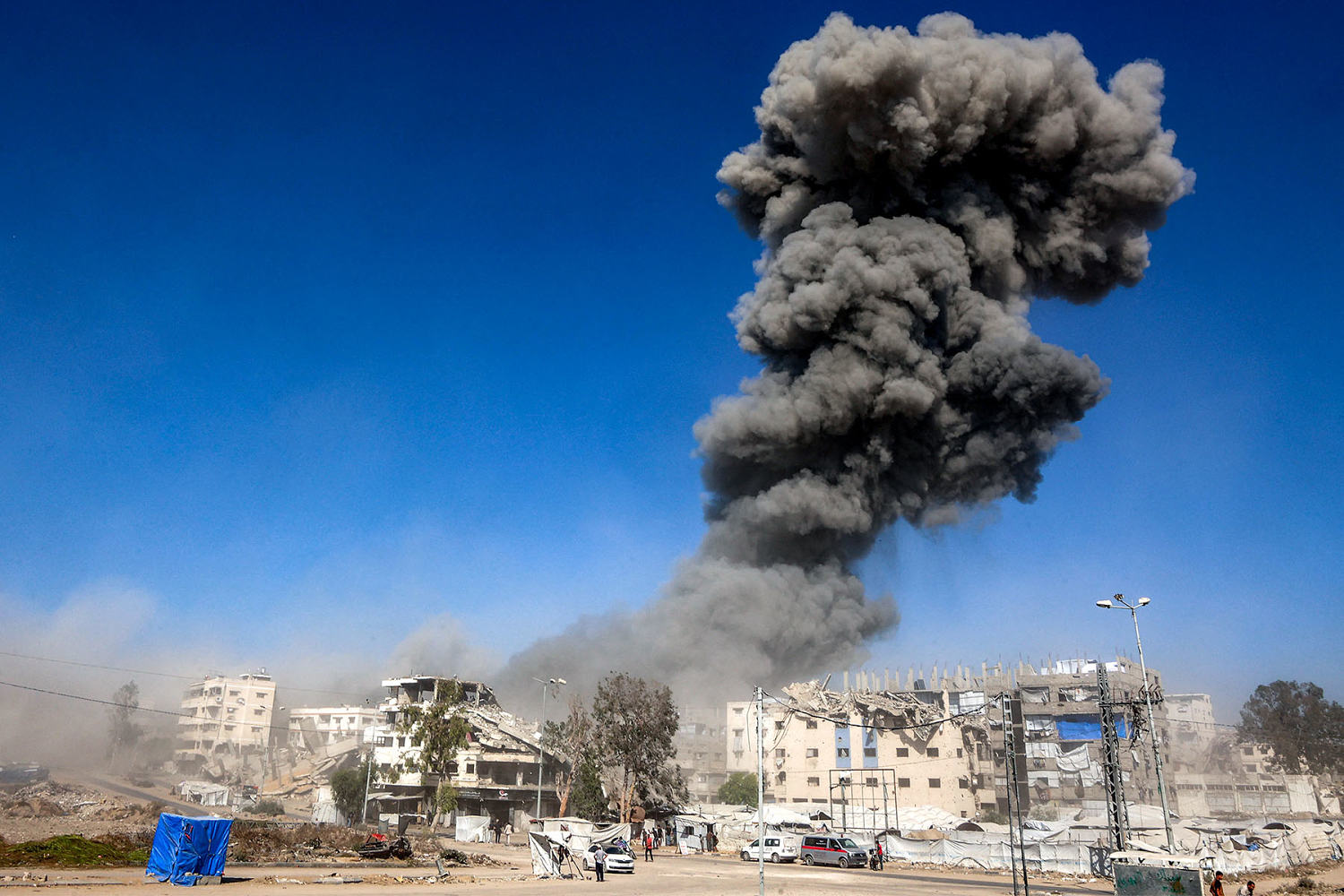
House Democrats are experiencing a significant internal conflict regarding a potential vote to cease U.S. aid to Israel. This disagreement has created a rift between the party's two highest-ranking leaders in the House. The division reflects a broader shift in public opinion on the matter, suggesting that the party's stance may be influenced by evolving public sentiment. The debate highlights a complex foreign policy challenge for the Democratic Party, forcing leaders to navigate differing viewpoints within their caucus. The outcome of this internal struggle could have implications for future U.S. foreign policy decisions and the party's unity. This intraparty debate underscores the challenges of maintaining consensus on sensitive international issues.
The divergence within House Democratic leadership on U.S. aid to Israel signals a complex interplay between evolving public sentiment, foreign policy objectives, and domestic political considerations. As public opinion shifts, political parties often face pressure to realign their platforms, creating internal tensions between established policy and popular demand. This situation presents a governance challenge, requiring leaders to balance constituent concerns with geopolitical responsibilities and the strategic interests of the nation. The debate may also reflect a broader re-evaluation of long-standing alliances in light of changing global dynamics and emerging humanitarian concerns, prompting a necessary, albeit difficult, reassessment of foreign aid policies for the coming decade.
AI-generated to prompt reflection — not editorial opinion, not advice, not a statement of fact. How this works.