House of the Dragon: Unveiling the Mysterious 'City of Winged Men'
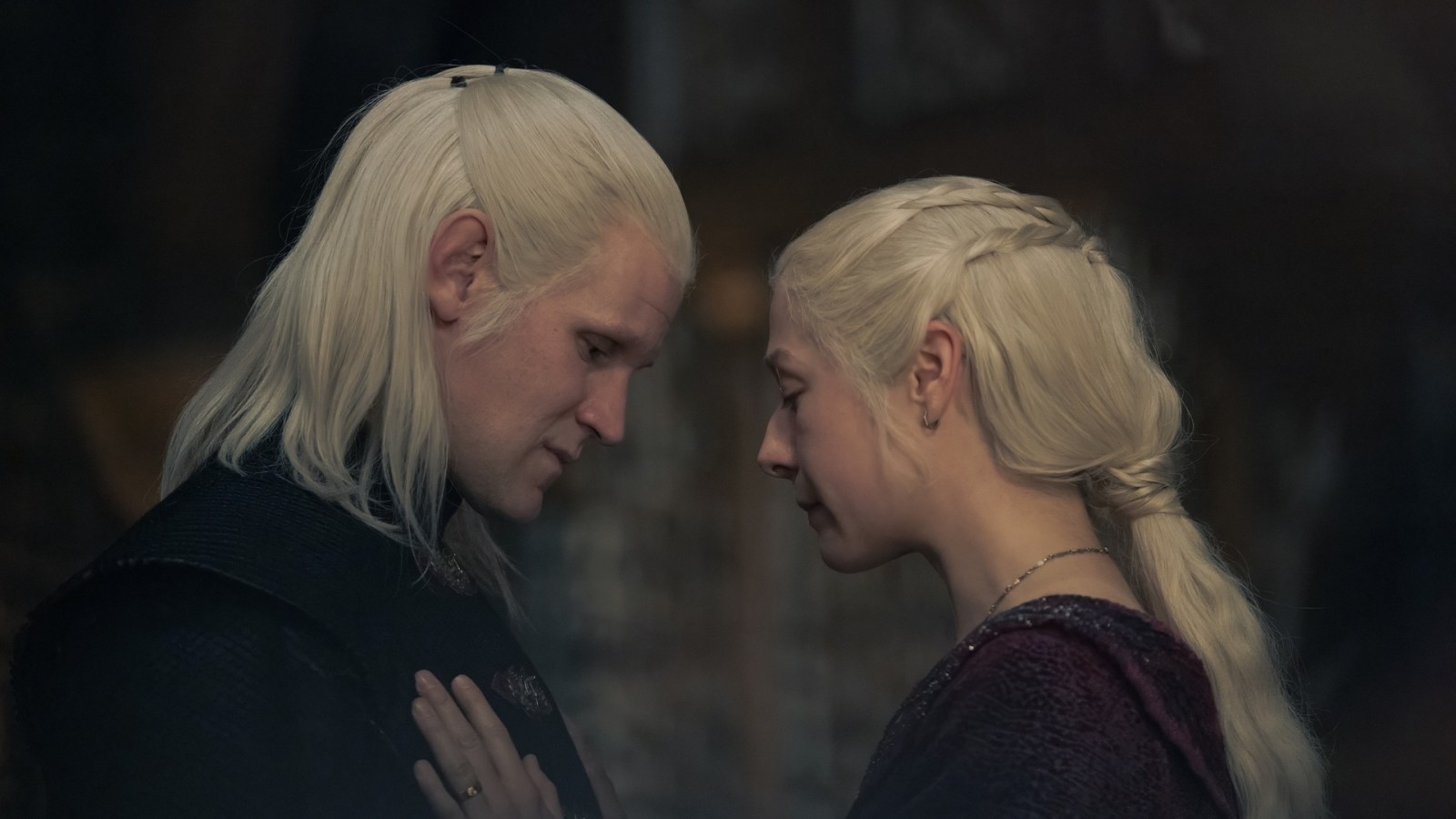
In the third episode of "House of the Dragon," Daemon Targaryen references a mysterious "city of winged men" located at the end of the world. This mention has sparked curiosity about whether it is merely a sailor's legend or a geographical reality within the lore. The reference prompts an exploration into the intricate world-building of George R.R. Martin's "A Song of Ice and Fire" universe. The show, set centuries before the events of "Game of Thrones," delves into the history of House Targaryen. This particular mention of a distant, mythical city adds another layer of depth to the established mythology. It suggests a world far larger and more mysterious than what has been previously depicted. The narrative continues to expand the known boundaries of Westeros and its surrounding regions. Fans are eager to uncover the origins and significance of this enigmatic location. The show's creators are known for their attention to detail in adapting Martin's complex narratives. This detail could foreshadow future plotlines or simply enrich the background lore.
The narrative's introduction of a mythical 'city of winged men' serves to expand the perceived scope of the fictional world, hinting at unexplored territories and ancient legends. This narrative device can stimulate audience imagination, suggesting that the known world contains many secrets beyond the immediate political conflicts. From a storytelling perspective, such elements can foreshadow future discoveries or provide thematic resonance with themes of exploration and the unknown. The inclusion of these mysterious locations challenges the audience to consider the limits of established knowledge within the narrative's universe and encourages deeper engagement with the lore.
AI-generated to prompt reflection — not editorial opinion, not advice, not a statement of fact. How this works.