House Votes to End Iran Conflict, Senate Republicans Back Trump's War Powers
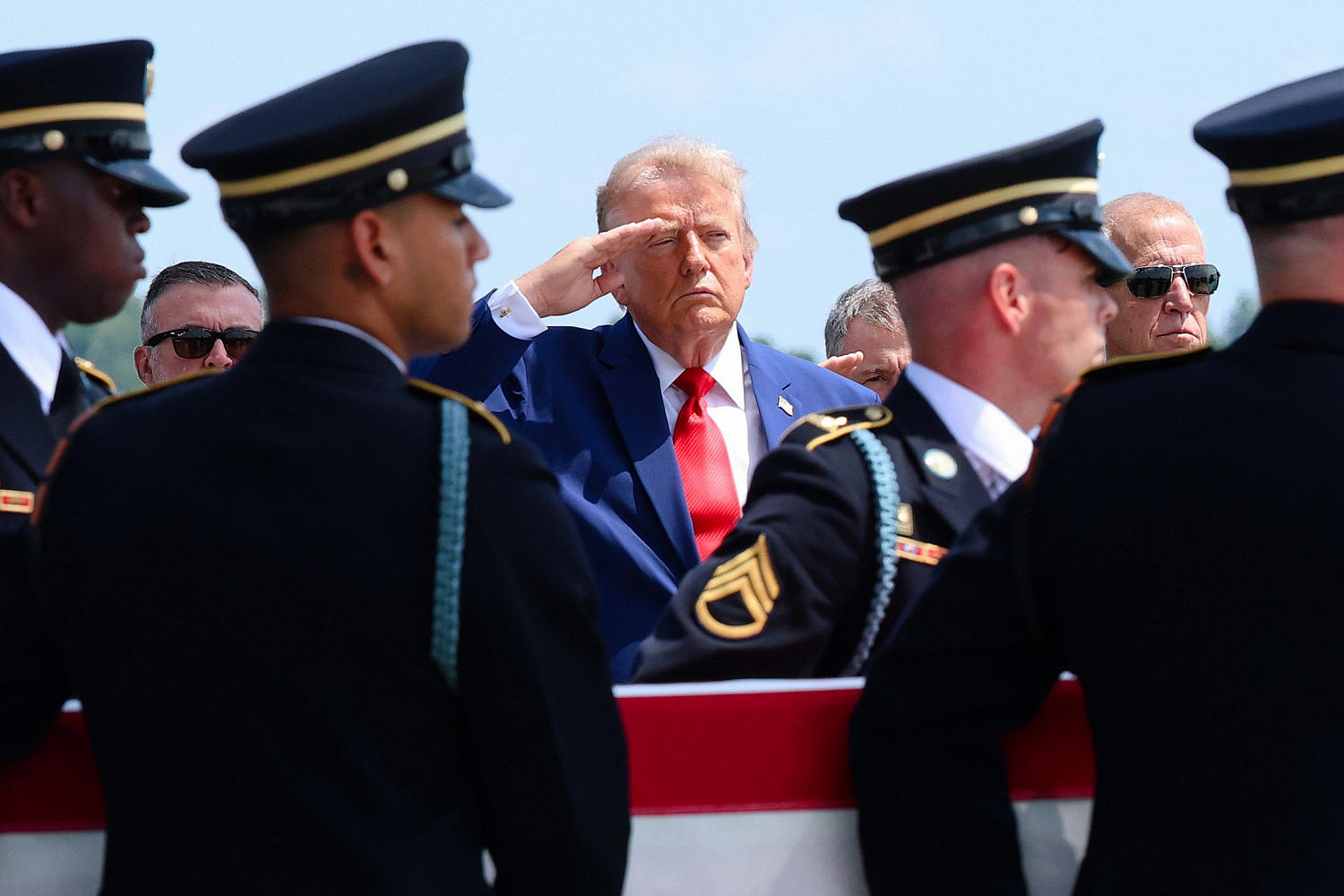
The U.S. House of Representatives has passed a non-binding resolution calling for an end to military engagement in Iran. The measure directs President Donald Trump to withdraw armed forces from ongoing hostilities. However, the Senate, with Republican opposition, has signaled a willingness to allow President Trump to continue military actions. This divergence highlights a significant political divide regarding the U.S. involvement in the conflict with Iran. The House's action reflects a desire by some lawmakers to de-escalate tensions and bring troops home. Conversely, the Senate Republicans' stance suggests a preference for maintaining the current military posture or preserving the President's authority to act. The differing votes indicate a complex foreign policy debate within the U.S. government concerning the executive branch's war-making powers and the legislative branch's oversight role. The non-binding nature of the House resolution means it does not compel the President to act, but it serves as a symbolic expression of legislative intent. The outcome in the Senate suggests that any immediate cessation of hostilities is unlikely without further political developments.
This legislative split underscores the ongoing tension between congressional oversight and executive authority in U.S. foreign policy, particularly concerning military engagements. The House's non-binding resolution, while symbolic, reflects a segment of the legislature's intent to limit presidential war-making powers and de-escalate geopolitical conflicts. The Senate Republicans' opposition, conversely, prioritizes the executive's prerogative to conduct foreign policy and respond to perceived national security threats. This dynamic, amplified in the context of evolving international relations and the potential for future conflicts, raises questions about the long-term efficacy of congressional checks on military action. The differing approaches highlight systemic challenges in achieving bipartisan consensus on foreign interventions, potentially leading to policy uncertainty and impacting diplomatic efforts over the next decade.
AI-generated to prompt reflection — not editorial opinion, not advice, not a statement of fact. How this works.