Household Budgets Squeezed by Rate Hikes and Fuel Costs
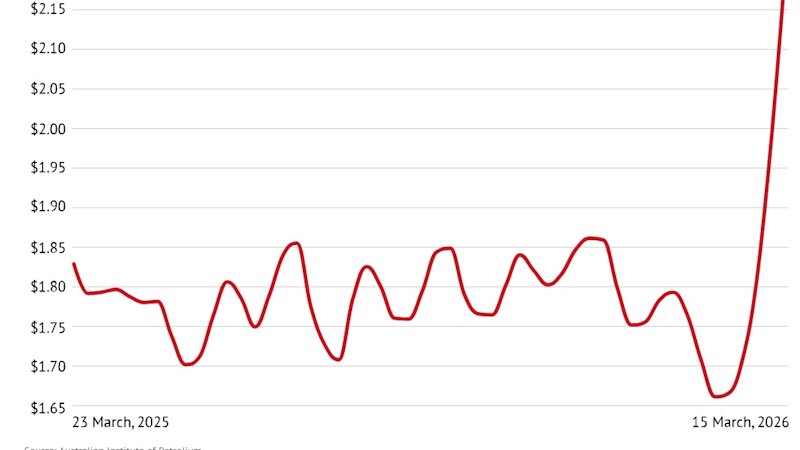
Australian households are facing significant financial pressure, with combined rate hikes and soaring petrol prices leading to the largest reduction in monthly budgets in decades. The combined impact has resulted in an estimated $450 decrease in disposable income for many families each month. This economic squeeze is attributed to the aggressive monetary policy tightening by the Reserve Bank of Australia and persistent global supply chain issues affecting fuel costs. The situation is particularly challenging for low- and middle-income households, who spend a larger proportion of their income on essentials like energy and transport. Experts suggest that this trend could lead to reduced consumer spending, potentially impacting broader economic growth. The government is under pressure to consider measures to alleviate the burden on families, though options are limited given the global nature of inflation. The ongoing volatility in energy markets and the trajectory of interest rates will be key factors determining the duration and severity of this budgetary strain.
The confluence of central bank interest rate adjustments and global energy market dynamics presents a significant challenge to household financial stability. This situation highlights the interconnectedness of monetary policy, international commodity prices, and domestic economic well-being. As central banks aim to curb inflation through higher rates, they inadvertently increase borrowing costs, impacting mortgage payments and other debt. Simultaneously, geopolitical factors and supply constraints can drive up essential costs like fuel and energy, disproportionately affecting consumers. Navigating this dual pressure requires careful consideration of fiscal support measures versus the risk of exacerbating inflation. The long-term implications may involve shifts in consumer behavior towards more resilient spending patterns and increased demand for energy-efficient solutions.
AI-generated to prompt reflection — not editorial opinion, not advice, not a statement of fact. How this works.