Housekeeper confesses to stealing family's jewelry worth over $12,000 in Brazil
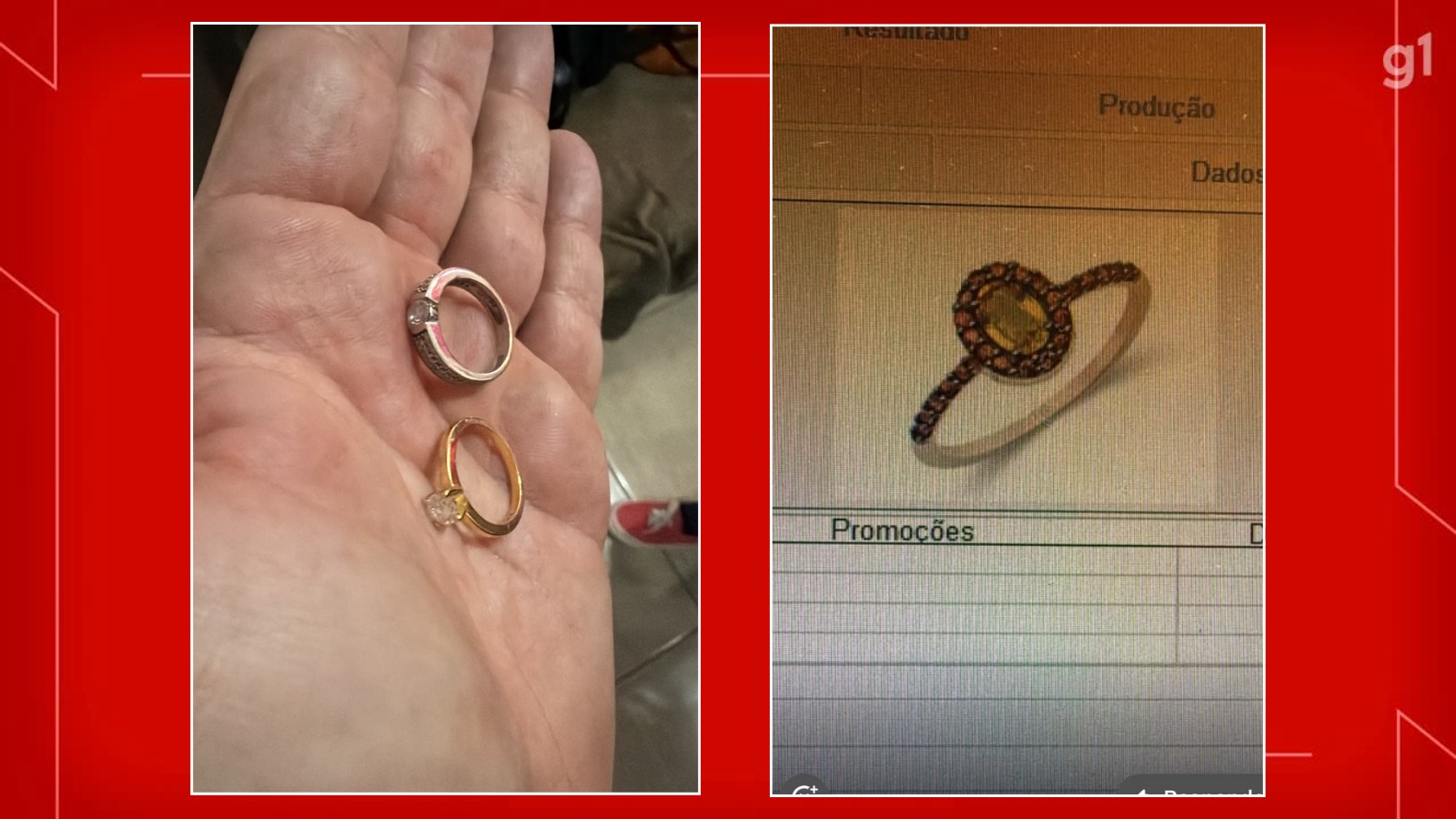
The Civil Police of the Federal District (DF) in Brazil conducted searches on Tuesday, June 20th, in connection with the theft of jewelry valued at approximately R$ 67,400 (around $12,500 USD). During the operation, the family's housekeeper confessed to taking some of the rings and returned the stolen items. The woman's name has not been released. She was already considered a suspect by the police and had been investigated for theft in previous inquiries. On Tuesday, police teams visited the housekeeper's residence, where she revealed the location where she had hidden the rings. The family reported the disappearance of three pieces of jewelry: two gold rings with diamonds and one ruby solitaire ring. The housekeeper admitted to stealing the two gold rings, valued at R$ 60,000 (around $11,200 USD), but denied possessing the third ring, which remained missing as of Tuesday. The case is being investigated as qualified theft due to breach of trust, as the housekeeper allegedly exploited her access to the couple's bedroom. If convicted, she faces a prison sentence of two to eight years, plus a fine. The thefts are believed to have occurred between June 15th and June 30th, during the period she was employed. The DF Justice system has authorized the unsealing of cell phones seized on Tuesday. According to the investigation, the woman entered the bedroom at times inconsistent with her work duties, particularly when another household employee was absent.
This incident highlights the risks associated with entrusting personal property to domestic staff, particularly when access is extensive and oversight may be limited. The investigation's focus on "qualified theft by breach of trust" underscores the legal framework designed to address such violations of confidence. The potential prison sentence and fine reflect the seriousness with which such offenses are treated. Moving forward, families may consider enhanced security measures and more rigorous vetting processes for household employees to mitigate future risks. The legal authorization to access cell phone data suggests a broader investigative scope, potentially uncovering further details or accomplices. This event also raises questions about employment practices and the importance of clear contractual terms and background checks in the domestic service industry.
AI-generated to prompt reflection — not editorial opinion, not advice, not a statement of fact. How this works.