Houthi Red Sea attacks spark fears of wider conflict and economic disruption
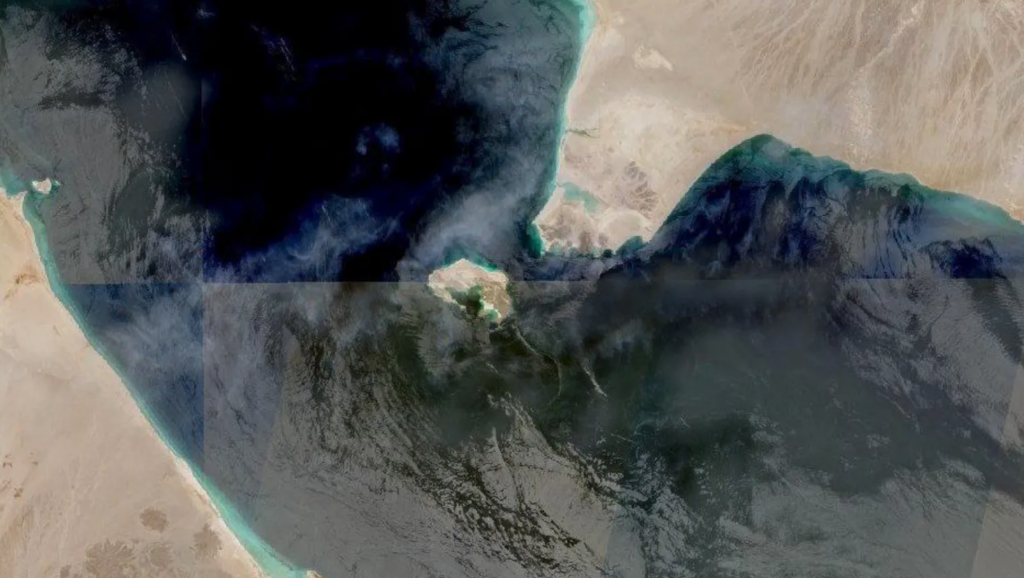
Yemen's Houthi fighters have claimed responsibility for attacks on shipping in the Red Sea, escalating regional tensions and raising concerns about a broader Middle East conflict. These actions threaten to disrupt the crucial maritime route connecting Europe and Asia by forcing vessels to avoid the Bab El Mandeb strait. The attacks could lead to significant global economic repercussions by impeding trade flow. The situation highlights the fragility of international shipping lanes and the potential for regional instability to impact global commerce. The Houthis' actions underscore their capacity to influence geopolitical events and global supply chains. This development adds another layer of complexity to the already volatile geopolitical landscape in the Middle East. The international community is closely monitoring the situation for potential further escalation and its economic consequences.
The Houthi attacks on Red Sea shipping represent a significant geopolitical development, potentially leveraging regional conflicts to disrupt global trade. This strategic move by the Houthis, if sustained, could impose substantial costs on international commerce by rerouting or delaying shipments, thereby impacting supply chains and consumer prices worldwide. The situation necessitates a careful assessment of diplomatic and economic responses, balancing the need to ensure freedom of navigation with the complexities of regional power dynamics. Future trade routes and maritime security protocols may need to adapt to such challenges, reflecting the evolving landscape of global security and economic interdependence in the coming decade.
AI-generated to prompt reflection — not editorial opinion, not advice, not a statement of fact. How this works.