Houthi Threats in Bab al-Mandab Strait: Could This Trigger a Red Sea Shipping Crisis?
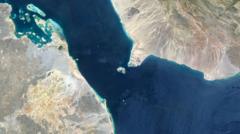
The Bab al-Mandab Strait, a crucial global maritime chokepoint, handles approximately 12% of the world's seaborne oil trade. This strategic waterway is now facing threats from Iran's allies, raising concerns about a potential disruption to international commerce. With the Strait of Hormuz effectively closed, the focus shifts to the Bab al-Mandab as the next critical maritime route that could be targeted. These threats come from the Houthi movement, an Iran-aligned group operating in Yemen. Their actions could significantly impact global supply chains and energy markets. The potential blockade of the Bab al-Mandab would further complicate an already strained international shipping environment. This situation highlights the vulnerability of key maritime passages to geopolitical tensions. The implications extend beyond oil, affecting a wide range of global trade that relies on efficient sea lanes. The international community is closely monitoring the developments, assessing the potential economic fallout.
The Houthi movement's threats against the Bab al-Mandab Strait, a vital artery for global oil transport, introduce significant geopolitical and economic risk. This situation underscores the increasing vulnerability of critical maritime chokepoints to non-state actors influenced by regional powers. The potential disruption to shipping, especially following the de facto closure of the Strait of Hormuz, could lead to volatile energy prices and necessitate costly rerouting of vessels, impacting global supply chains. Future geopolitical strategies may need to incorporate more robust measures to ensure the security of these essential trade routes, balancing national security interests with the imperative of free and open navigation for international commerce.
AI-generated to prompt reflection — not editorial opinion, not advice, not a statement of fact. How this works.