Houthis Block Red Sea Passage, Escalating Regional Tensions
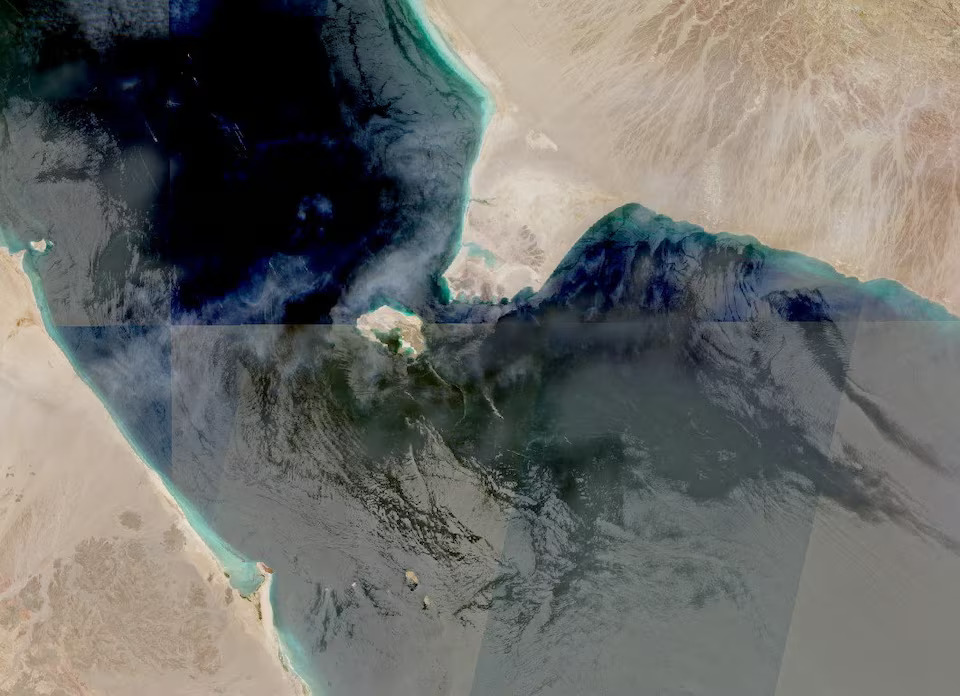
Yemen's Houthi rebels have reportedly imposed a naval blockade on the Bab el-Mandeb strait, a critical Red Sea gateway. This action is seen as opening a new front in the broader conflict between Iran and the United States. The move follows alleged pressure from Iran, which reportedly urged the Houthis to close the vital shipping lane if the U.S. persisted in attacking Iranian power infrastructure. This development raises concerns about the security of international maritime trade and further destabilizes an already volatile region. The Bab el-Mandeb strait is a key chokepoint for global commerce, connecting the Red Sea to the Gulf of Aden and the Indian Ocean. Any disruption here can have significant economic repercussions worldwide. The Houthi action signifies a potential escalation of proxy conflicts in the Middle East, with regional and international powers potentially drawn into a wider confrontation. The situation highlights the interconnectedness of geopolitical events and their impact on global supply chains and security.
The Houthi blockade of the Bab el-Mandeb strait represents a significant escalation, transforming a regional conflict into a potential global maritime security challenge. This action, allegedly influenced by Iran, demonstrates the strategic leverage non-state actors can wield in disrupting international trade routes. The move highlights the complex interplay of geopolitical rivalries, where proxy actions can have far-reaching economic and security consequences. Future developments will likely hinge on the responses of major maritime powers and the effectiveness of diplomatic or military countermeasures. This event underscores the growing importance of securing critical global chokepoints in an era of heightened geopolitical competition and technological advancements in naval warfare.
AI-generated to prompt reflection — not editorial opinion, not advice, not a statement of fact. How this works.