Houthis Claim Missile Strike on Saudi Arabia Amid Regional Tensions
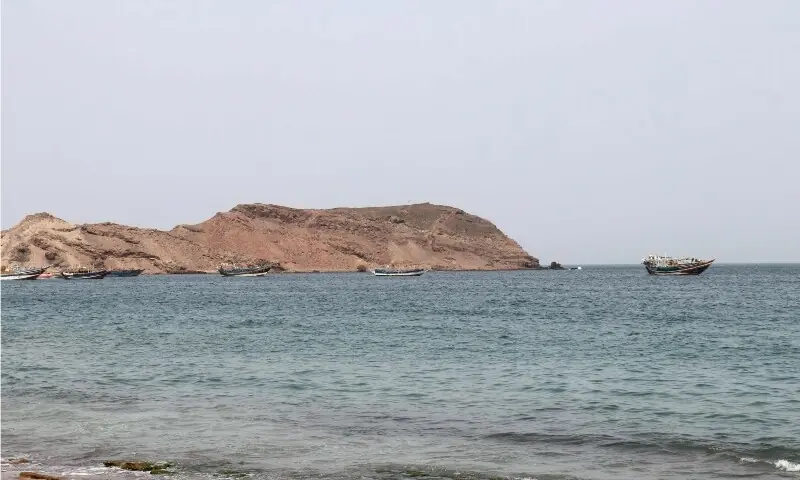
Houthi rebels in Yemen have claimed responsibility for a missile strike on the Saudi Arabian city of Jizan on Saturday, stating it was retaliation for recent Saudi-led coalition attacks. The rebels' Ansarollah media reported the strike caused fires in Jizan, a city on the Red Sea. This incident follows Saudi Arabia's Friday strikes on Houthi military targets in Hodeida, which reportedly wounded two people, including a worker and a woman on Kamaran island. The Houthis had previously announced a maritime blockade of Saudi Arabia and claimed to have hit two Saudi ships earlier in the week, with Saudi Arabia confirming one such attack in the Red Sea. The Saudi-led coalition stated its Friday strikes targeted Houthi sites and destroyed vessels threatening commercial shipping. The escalating conflict has expanded the regional war, adding a new front to the existing conflict that has engulfed the region since US-Israeli strikes on Tehran in February. This also occurs alongside Iran's parallel blockade of the Strait of Hormuz, Saudi Arabia's other primary maritime route for oil exports. Meanwhile, US President Donald Trump indicated he was holding off on major operations against Iran, stating that Tehran was becoming more serious in talks with Washington, though he warned of significantly higher levels of strikes if negotiations failed. The war, which began with predictions of a short duration, is now nearing its fifth month and impacting US midterm election prospects.
The escalating conflict between Houthi rebels and the Saudi-led coalition, exacerbated by broader regional tensions involving Iran and the US, highlights the fragility of maritime trade routes critical for global energy supply. The Houthi's declared blockade and missile strikes, met with Saudi military responses, represent a dangerous cycle of escalation. This dynamic underscores the systemic risks inherent in proxy conflicts and the strategic importance of chokepoints like the Red Sea and Strait of Hormuz. As major powers engage in diplomatic maneuvers alongside military posturing, the potential for miscalculation remains high, with significant implications for regional stability and international commerce. The situation demands a de-escalation strategy that addresses the root causes of the conflict and ensures freedom of navigation for all parties, rather than relying solely on military deterrence or punitive actions.
AI-generated to prompt reflection — not editorial opinion, not advice, not a statement of fact. How this works.