Houthis Claim Red Sea Attacks on Saudi Tankers, Escalating Regional Tensions
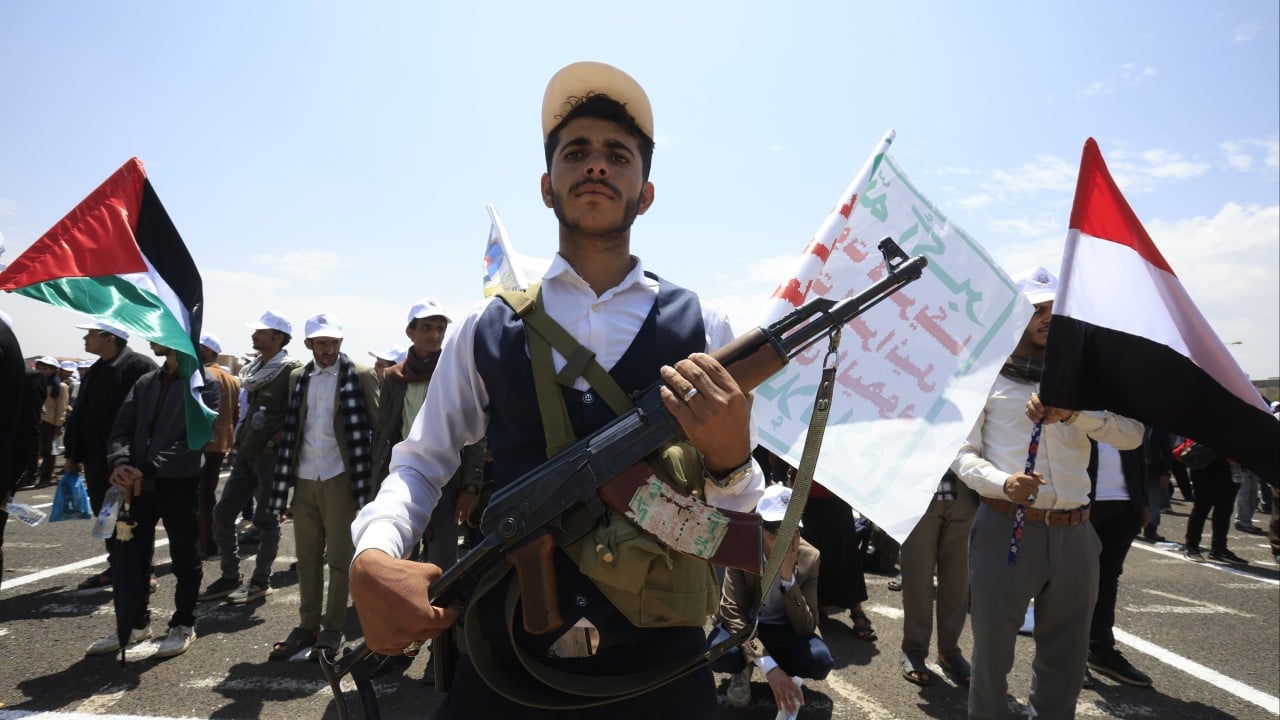
The Iranian-aligned Houthis have claimed responsibility for military strikes targeting two Saudi oil tankers in the Red Sea. This action is described as part of a naval blockade against Saudi Arabia, significantly increasing the risk of disrupting global oil supplies through a second major maritime chokepoint. The Houthis' actions appear coordinated with Iran's efforts to control the Strait of Hormuz. Concurrently, the U.S. military confirmed it conducted a new series of strikes against Iran on Wednesday, acting under the directive of President Donald Trump. This marks the twelfth consecutive night of American military operations against Iranian targets. The Houthis, based in Yemen, are a key player in the ongoing regional conflict.
The reported Houthi attacks on Saudi oil tankers in the Red Sea, alongside U.S. strikes on Iran, highlight the escalating geopolitical risks in a critical global energy transit zone. This situation underscores the interconnectedness of regional conflicts and their potential to impact international energy markets. The dual pressure points—the Red Sea and the Strait of Hormuz—could create significant volatility for oil prices and supply chains. Future developments will likely depend on the strategic responses of key global powers and regional actors, as well as their ability to de-escalate tensions to prevent broader economic disruption.
AI-generated to prompt reflection — not editorial opinion, not advice, not a statement of fact. How this works.