Houthis Strike Saudi Tankers in Red Sea; US Continues Strikes on Iran
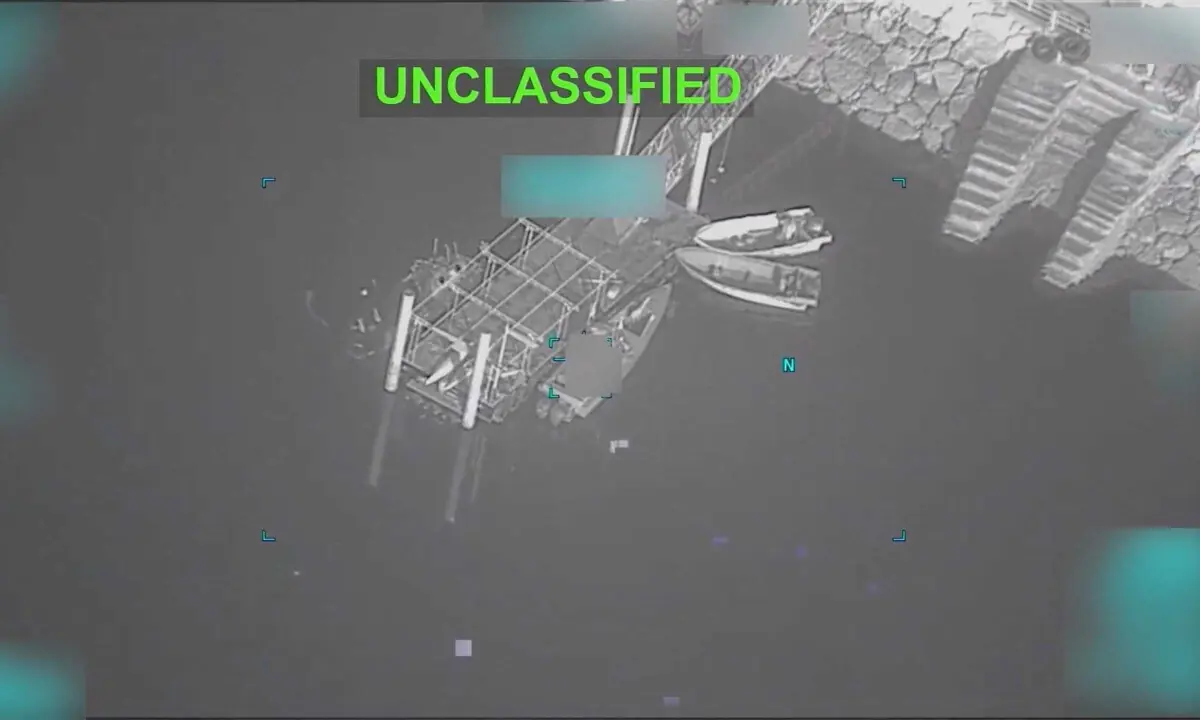
Yemen's Houthi rebels announced on Thursday that they attacked two Saudi Arabian oil tankers, the Encelia and Layla, in the Red Sea, claiming the vessels violated a naval blockade. Saudi authorities confirmed that the Encelia sustained damage and caught fire but reported all crew members were safe. The General Transport Authority described the attack as a violation of international law. Maritime security sources indicated the Encelia transmitted a distress call after being struck by a missile near Jizan, Saudi Arabia. The British maritime risk-management group Vanguard reported the Encelia was hit by an unknown projectile about 130 km southwest of Al Shuqaiq. The UK Maritime Trade Operations agency also received a report of a similar incident with a tanker on fire, with no casualties or environmental impact reported. The Houthis also claimed to have forced approximately 10 ships to retreat. Meanwhile, the United States conducted strikes against Iranian military targets for the 12th consecutive night, according to US Central Command (Centcom). These strikes reportedly targeted maritime capabilities, missile and drone storage, surveillance sites, and air defense assets, aiming to degrade Iran's ability to attack civilian and commercial vessels. Centcom stated that nine commercial vessels had been redirected and one disabled to prevent movement in or out of Iranian ports. This escalation follows threats from President Trump to target Iranian infrastructure if ships were attacked in the Strait of Hormuz, with Iran warning of retaliatory strikes on regional economic infrastructure and oil exports. Reports also emerged of an explosion in a mined route south of the Strait of Hormuz, with Iran's Revolutionary Guards claiming control and closure of the strait. US strikes have expanded across Iran, with specific reports of attacks near Bushehr's nuclear facility and at the Shalamcheh border crossing with Iraq, resulting in casualties.
The escalating conflict in the Red Sea and the ongoing US strikes against Iran highlight a dangerous cycle of retaliatory actions with significant geopolitical and economic implications. The Houthi attacks on commercial shipping, framed as enforcing a blockade, disrupt vital global trade routes, particularly for countries like Pakistan heavily reliant on Red Sea transit. Simultaneously, US actions against Iran, presented as defensive measures to protect maritime traffic, risk further entrenching regional instability and potentially triggering broader conflicts. The interconnectedness of these events suggests that localized actions can rapidly escalate, impacting international energy markets and supply chains. Future de-escalation will likely require addressing the root causes of regional instability and establishing clearer communication channels to prevent miscalculation and unintended consequences.
AI-generated to prompt reflection — not editorial opinion, not advice, not a statement of fact. How this works.