How a Neutral Design Turned a World Cup Final Venue's Perceived Weakness into a Strength
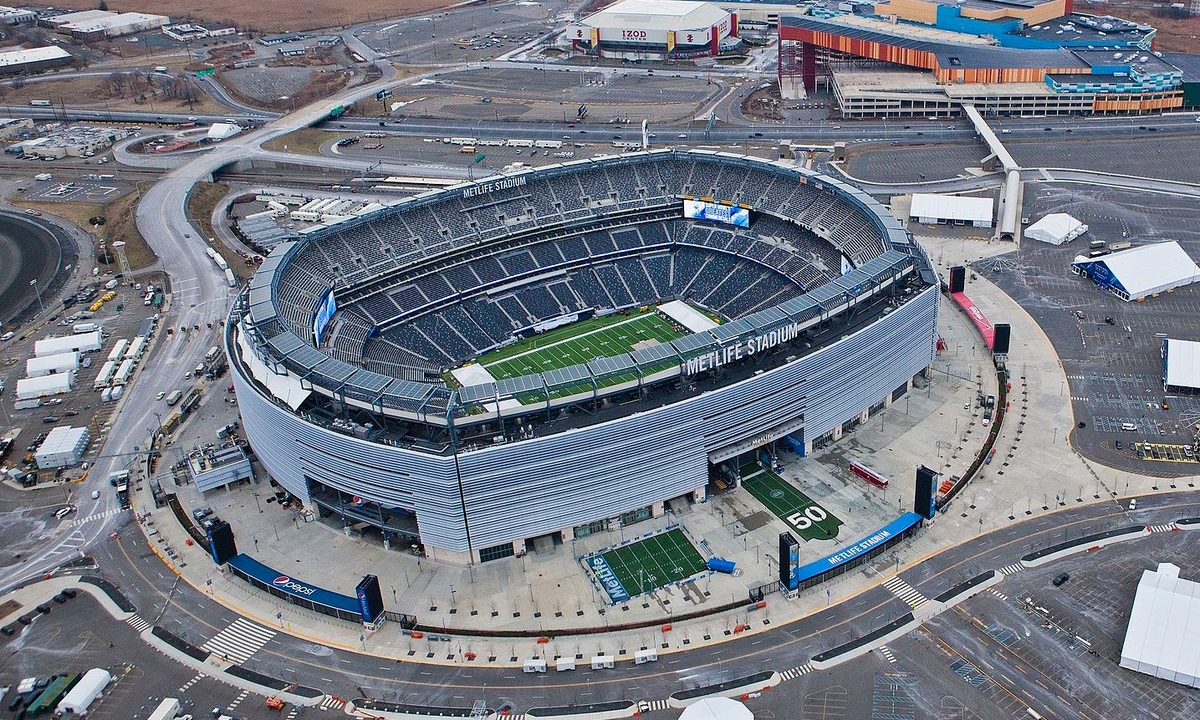
MetLife Stadium, slated to host the 2026 World Cup final, embraces a neutral architectural design rather than a distinctive one. This deliberate choice allows the stadium to be adaptable for a wide array of events. The stadium's design prioritizes versatility, enabling it to serve multiple functions beyond just sporting competitions. This approach contrasts with venues that are heavily themed or uniquely shaped, which can sometimes limit their utility for different types of gatherings. By opting for a more understated aesthetic, MetLife Stadium can more easily accommodate various spectacles and functions. This adaptability is seen as a strategic advantage for a venue expected to host a global event like the World Cup final. The neutral design ensures the stadium remains a functional and relevant space for diverse future uses.
The architectural strategy employed by MetLife Stadium, focusing on neutrality and adaptability, presents a pragmatic approach to venue management. By eschewing a highly personalized or iconic design, the stadium maximizes its utility across a spectrum of events, potentially leading to greater long-term economic viability and reduced need for future modifications. This design philosophy aligns with a trend towards multi-purpose infrastructure that can serve evolving societal and entertainment demands in the coming decade. The decision highlights a trade-off between immediate visual distinctiveness and enduring functional flexibility, a consideration increasingly relevant in the development of large-scale public facilities.
AI-generated to prompt reflection — not editorial opinion, not advice, not a statement of fact. How this works.