How a Single Scam Crippled the Kolkata Stock Exchange
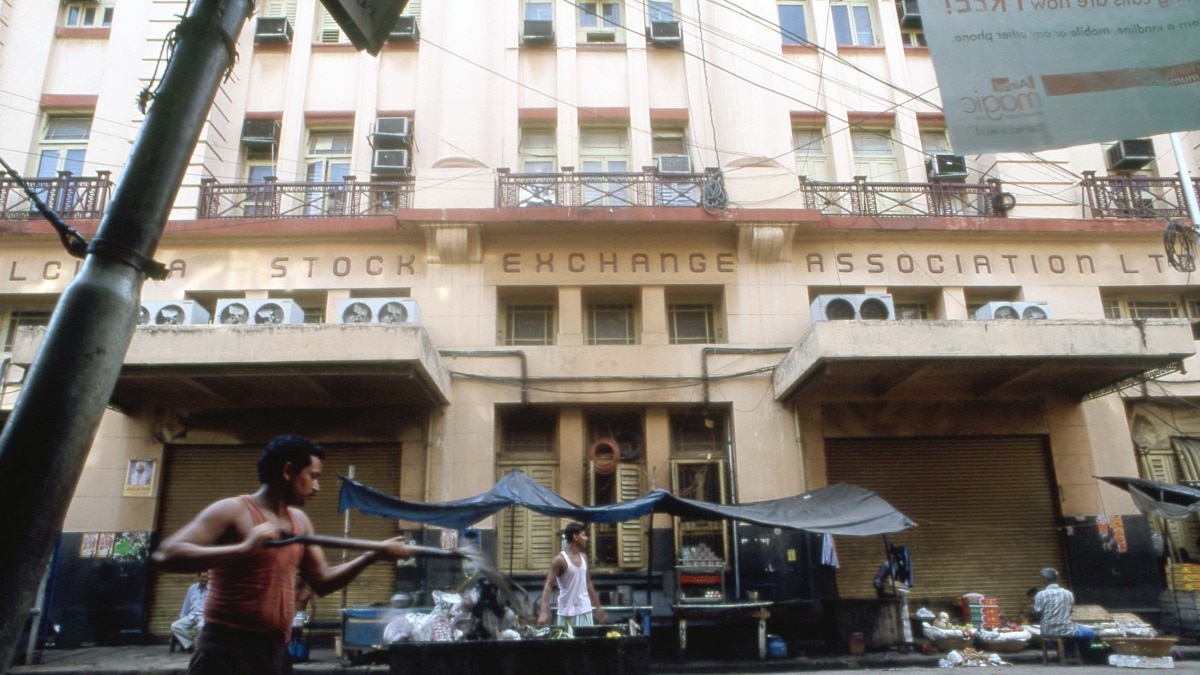
The Kolkata Stock Exchange (CSE), once a significant rival to the Bombay Stock Exchange (BSE), has effectively ceased operations due to a major scam. Once considered the financial heartbeat of Eastern India, the CSE's downfall was a gradual process following its entanglement in fraudulent activities. This scandal prevented the exchange from ever recovering, leading to its eventual collapse. The incident highlights the severe consequences that financial impropriety can have on established institutions. The exchange's inability to rebound underscores the deep impact of the scam on its credibility and operational capacity. Its closure represents a significant loss for the financial landscape of Eastern India.
The collapse of the Kolkata Stock Exchange serves as a stark case study in the fragility of financial institutions when governance fails. A singular fraudulent event, rather than systemic market issues, appears to have been the catalyst for its demise, suggesting a critical lapse in oversight and risk management. This situation prompts reflection on the regulatory frameworks necessary to safeguard against such concentrated risks, particularly in regional exchanges that may lack the diversified resilience of larger counterparts. Looking ahead, the incident underscores the ongoing need for robust compliance and ethical standards to maintain investor confidence and ensure the stability of financial markets in the face of evolving economic pressures and technological advancements.
AI-generated to prompt reflection — not editorial opinion, not advice, not a statement of fact. How this works.