How Area 51 Became the World's Most Famous Secret Base
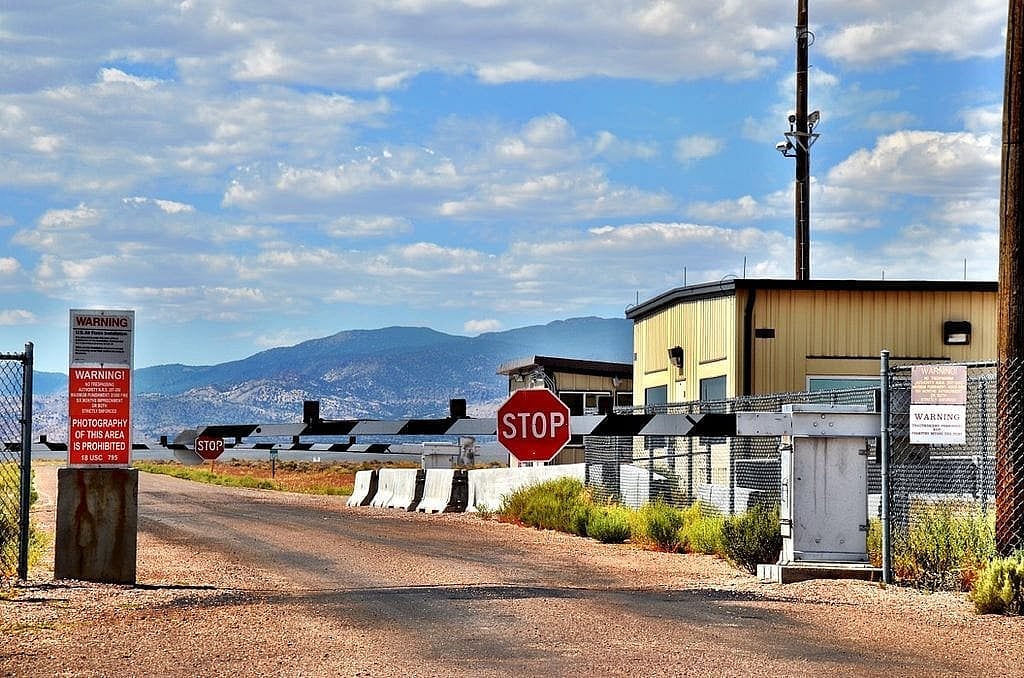
Prior to 2013, the U.S. government never officially acknowledged the existence of Area 51. This official silence significantly fueled public curiosity and speculation about the base. Many people began to believe that the facility might be hiding aliens or advanced extraterrestrial technology. The base's remote location in Nevada, coupled with its classified nature, contributed to its mystique. Over the years, Area 51 became a focal point for conspiracy theories and popular culture. Its status as a secret military installation has cemented its place as the most famous clandestine base globally. The persistent rumors and lack of official information until recently have only amplified its legendary status.
The enduring mystique of Area 51 highlights the powerful interplay between government secrecy, public imagination, and the allure of the unknown. The prolonged denial of its existence, followed by eventual acknowledgment, created a fertile ground for speculative narratives, particularly concerning extraterrestrial life and advanced technology. This phenomenon underscores how information vacuums can be filled by folklore and conspiracy, shaping public perception more profoundly than factual disclosure might. In the long term, such events prompt questions about the efficacy of extreme secrecy in the digital age and the societal need for transparency, especially when dealing with potentially transformative technologies or discoveries. The case of Area 51 serves as a case study in managing public expectations and the unintended consequences of classified operations on cultural narratives.
AI-generated to prompt reflection — not editorial opinion, not advice, not a statement of fact. How this works.
