How Britain Prevented Dubai From Becoming Part of India
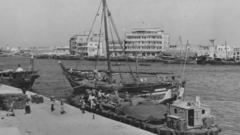
It is largely forgotten today that in the early 20th century, nearly one-third of the Arabian Peninsula was administered by British India. This historical fact highlights a significant geopolitical influence Britain wielded over the region during that period. The administrative control extended to areas that would later become independent nations or key economic hubs. The extent of British India's reach into the Arabian Peninsula underscores the complex colonial legacy and the arbitrary nature of borders drawn during that era. This administrative arrangement shaped the political and economic trajectories of these territories for decades. The British Raj's administration of these areas was a direct consequence of its imperial ambitions and strategic interests in controlling trade routes and maintaining influence in the Persian Gulf. The historical context reveals that the current geopolitical landscape of the Middle East was significantly influenced by colonial powers, particularly Britain.
The historical administrative control of parts of the Arabian Peninsula by British India demonstrates the profound and often overlooked impact of imperial governance on regional development and future state formation. This period highlights how colonial powers redrew geopolitical maps and influenced economic and political trajectories, the consequences of which continue to resonate. Understanding these historical administrative structures is crucial for analyzing contemporary regional dynamics and the evolution of national identities. The legacy of such arrangements prompts reflection on the long-term effects of centralized colonial administration on diverse populations and territories, and how these structures may have shaped incentives for future economic and political alignments.
AI-generated to prompt reflection — not editorial opinion, not advice, not a statement of fact. How this works.