How Cannabis Affects the Brain: From Adolescence to Adulthood
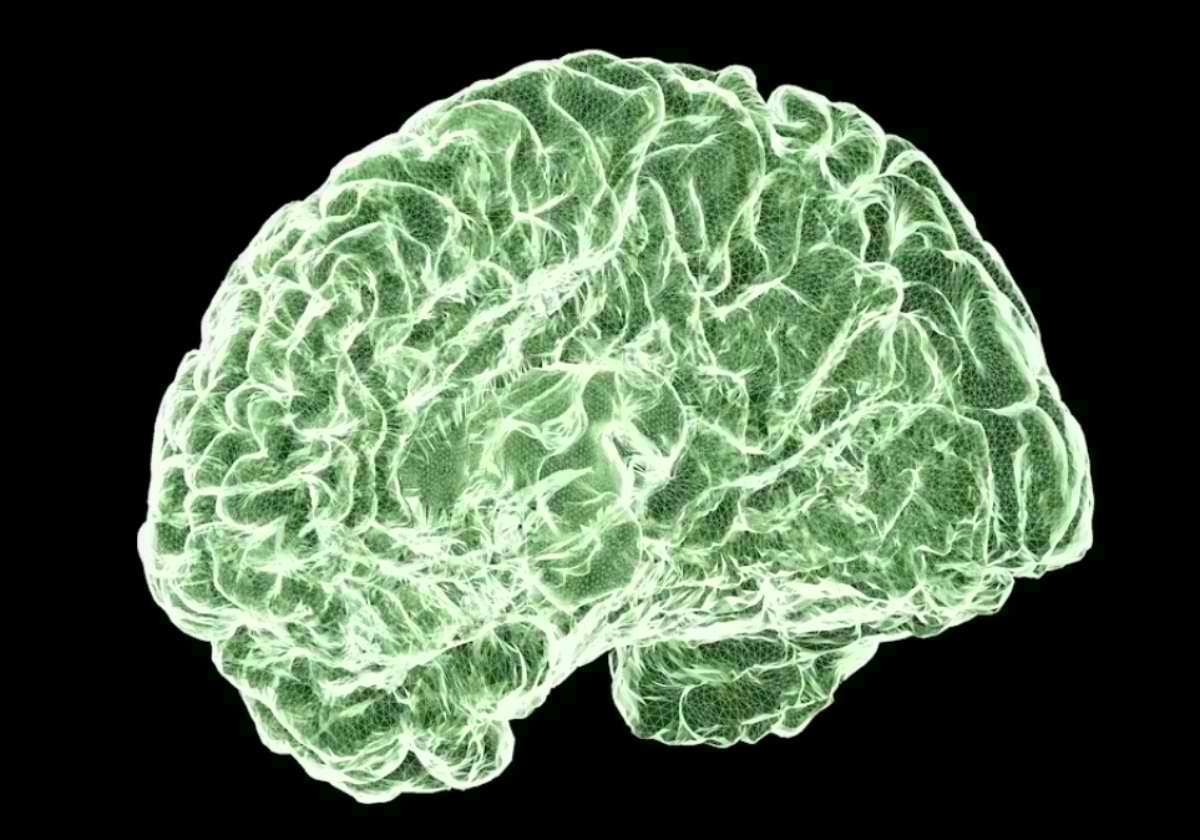
A psychiatrist explains the effects of THC, the psychoactive compound in cannabis, on the adolescent and adult brain. The discussion covers potential risks to memory and overall mental health, emphasizing the importance of understanding these impacts. The expert outlines how cannabis use during critical developmental periods, particularly adolescence, can have lasting consequences. This includes potential disruptions to cognitive functions such as memory formation and retrieval. The psychiatrist also addresses the broader implications for mental well-being, noting that cannabis can exacerbate or trigger certain mental health conditions. The explanation aims to provide clarity on the neurobiological mechanisms involved. Furthermore, the expert offers guidance on when individuals or their families should seek professional help if cannabis use is causing concern. This advice is crucial for early intervention and managing potential adverse effects. The information is intended to educate the public about the complex relationship between cannabis and brain development.
Understanding the neurobiological impacts of cannabis, particularly during adolescent brain development, is critical. The adolescent brain undergoes significant maturation, making it more susceptible to the effects of psychoactive substances like THC. This period is crucial for the development of executive functions, including decision-making and impulse control. Research suggests that early and frequent cannabis use may interfere with these processes, potentially leading to long-term cognitive deficits. From a public health perspective, it is essential to balance individual liberty with the need to protect vulnerable populations, especially adolescents, from potential harms. Future policy discussions should consider evidence-based strategies for harm reduction and education, acknowledging the evolving legal landscape and societal acceptance of cannabis. The long-term societal implications, including impacts on educational attainment and mental health systems, warrant ongoing investigation and proactive public health interventions.
AI-generated to prompt reflection — not editorial opinion, not advice, not a statement of fact. How this works.