How Chemical Pesticides Work and Their Environmental Impact
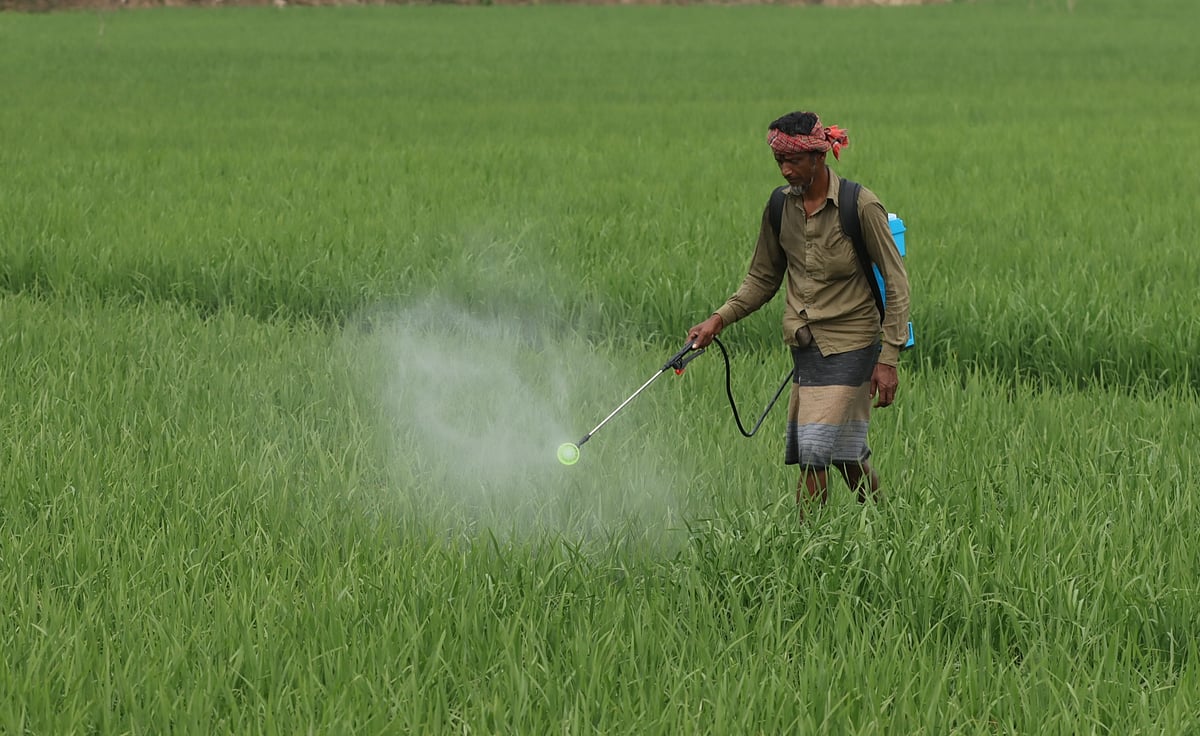
Chemical pesticides are widely used to protect crops from harmful insects, with over a thousand types globally, each with distinct properties and toxicity. Most pesticides target the insect nervous system by disrupting the balance of sodium and potassium ions in nerve cells, leading to signal transmission failure or overstimulation. This incapacitation ultimately causes paralysis and death in insects. While effective, the use of chemical pesticides has long been controversial due to potential adverse effects on human health, necessitating protective gear for farmers. Historically, DDT, an early synthetic pesticide, was widely used for insect-borne disease control but posed significant health risks, including vomiting and convulsions. A major concern with DDT was bioaccumulation, where it accumulated in the bodies of animals that consumed affected insects. This led to severe health issues, notably thinning eggshells in birds, which drastically reduced bird populations. Consequently, the UK banned DDT in 1984 due to risks to humans and wildlife, though it persists in limited use elsewhere. Modern agricultural products undergo washing and testing for pesticide residues to ensure safety for consumers. A significant threat to pollinators, especially bees, comes from neonicotinoid pesticides. These chemicals, while effective against pests, also harm beneficial insects like bees by disrupting their nervous systems and can contaminate pollen. Exposure to neonicotinoids can impair bees' navigation and reproductive abilities. Due to these risks, the European Union partially banned neonicotinoids in 2013 and fully banned outdoor use in 2018, while some countries like the United States have not imposed similar bans but have implemented regulations.
The widespread use of chemical pesticides, while addressing immediate crop protection needs, presents a complex trade-off between agricultural productivity and ecological/human health. The historical trajectory of compounds like DDT illustrates a pattern where initial efficacy can mask long-term, systemic environmental damage, particularly concerning bioaccumulation and its impact on non-target species. The emergence of neonicotinoids highlights ongoing challenges in developing targeted pest control solutions that do not inadvertently disrupt critical ecosystem services, such as pollination, which underpins a significant portion of global food production. Future agricultural strategies will likely require a more integrated approach, balancing chemical interventions with biological controls, genetic resistance, and sustainable farming practices to mitigate risks to biodiversity and human well-being, aligning with the increasing imperative for ecological resilience in the face of climate change and growing global food demand.
AI-generated to prompt reflection — not editorial opinion, not advice, not a statement of fact. How this works.