How Cooking Gas Reaches All of Brazil Without Fixed Pipelines
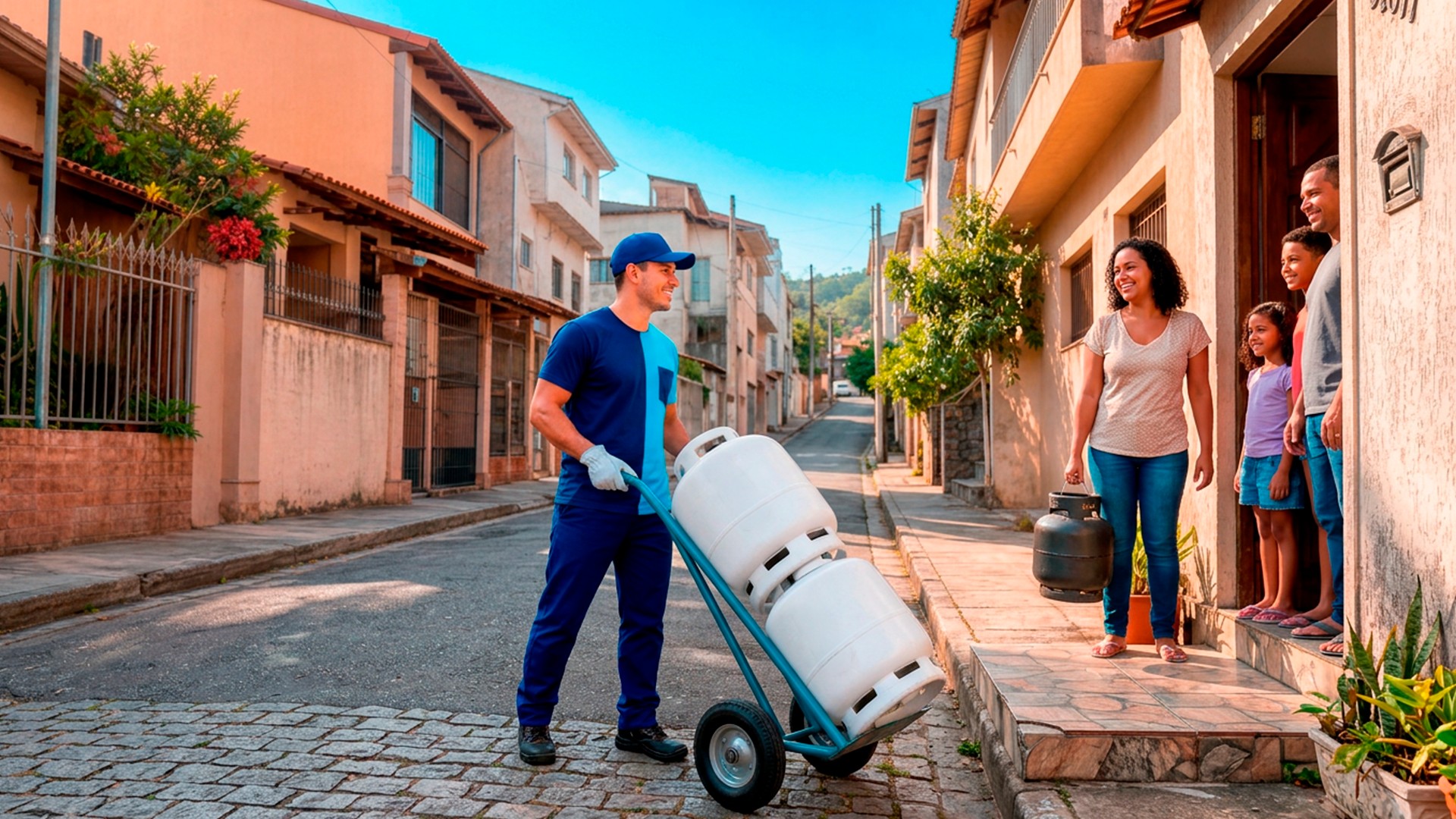
Liquefied Petroleum Gas (LPG), commonly known as cooking gas, is a vital energy source for Brazil, reaching 91% of households across all 100% of its municipalities. This widespread availability is crucial for food preparation in homes nationwide. The distribution model for LPG bypasses the need for fixed infrastructure like pipelines, instead relying on a mobile logistics chain. After being bottled, the gas moves through various stages to distribution bases and then to resale points throughout the vast country. This system ensures that LPG can be supplied to diverse geographical settings, from densely populated urban neighborhoods to remote rural communities. The 13 kg cylinder has become the standard in Brazil, facilitating access to cooking gas in different regions. Despite LPG's prevalence, firewood remains a significant energy source for 23% of residential energy consumption in Brazil, particularly in rural and isolated areas, according to the National Energy Balance (BEN) 2026 report for 2025. The bottled gas distribution offers a practical alternative for millions of families, bringing fuel to locations not served by piped gas networks. The "Gás do Brasil" initiative by Sindigás (National Union of LPG Distribution Companies) highlights the importance of this robust, decades-long distribution structure that combines logistics, mobility, and national presence.
Brazil's extensive LPG distribution network demonstrates a successful strategy for delivering essential energy to a geographically challenging nation without relying on fixed infrastructure. This model leverages mobility and decentralized storage to overcome the limitations of its vast territory, ensuring broad access to cooking fuel. While LPG has become a primary energy source for most households, the continued reliance on firewood in certain regions highlights persistent energy access disparities. Future considerations for Brazil's energy landscape might involve optimizing this mobile distribution for greater efficiency and exploring complementary renewable energy solutions for remote areas, ensuring a more equitable and sustainable energy future as technology evolves.
AI-generated to prompt reflection — not editorial opinion, not advice, not a statement of fact. How this works.