How Countries Handle Cars Blocking Driveways
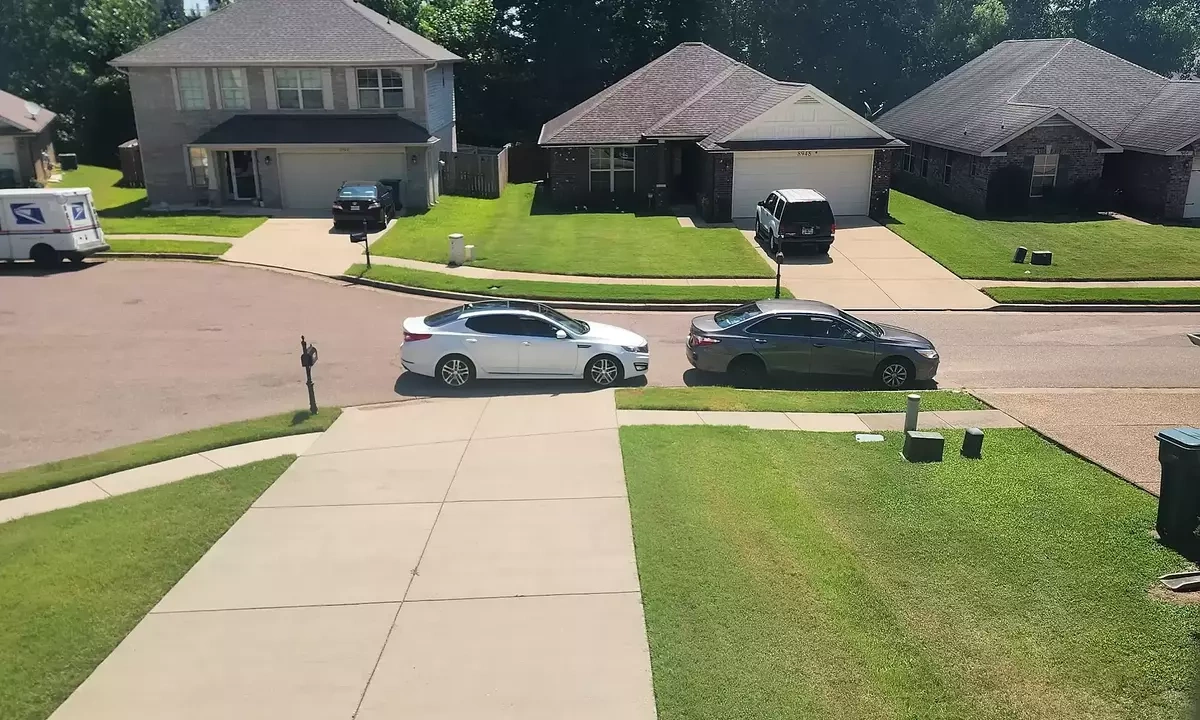
Most countries permit parking on public roads but prohibit vehicles from obstructing driveways and entrances. When disputes arise over such parking, relevant authorities are responsible for resolving the issue. This approach aims to balance public access to parking with the private right of residents to use their property entrances without obstruction. Local regulations often specify the exact distance a vehicle must maintain from a driveway to avoid being considered a blockage. Enforcement typically involves warnings, fines, or towing of the offending vehicle. The goal is to ensure public roads serve their intended purpose while respecting private property rights and maintaining neighborhood harmony. Specific laws and enforcement practices can vary significantly between different cities and regions within a country.
This situation highlights the ongoing tension between public access to street parking and private property rights concerning access. While most jurisdictions allow on-street parking, the critical distinction lies in maintaining unobstructed ingress and egress for residents. The established practice of involving authorities for dispute resolution suggests a reliance on regulatory frameworks and enforcement mechanisms. Future considerations may involve exploring smart parking solutions or designated no-parking zones around driveways to proactively mitigate such conflicts, particularly as urban density increases and parking demand intensifies. This approach balances the collective need for parking with individual property owner's rights, promoting a more orderly urban environment.
AI-generated to prompt reflection — not editorial opinion, not advice, not a statement of fact. How this works.