How 'Defensible' is Austria's Constitution Against Presidential Overreach?
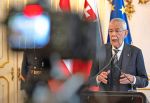
The Austrian Federal Presidency holds significant powers, raising questions about the constitutional framework's ability to prevent their excessive use. This concern arises from the inherent authority vested in the office, which could potentially be exploited. The current constitutional structure is being examined to determine its robustness in safeguarding against such scenarios. The discussion highlights a potential vulnerability within the system, prompting a review of checks and balances. The question posed is whether the existing legal and political mechanisms are sufficient to curb any potential abuse of presidential power. This introspection is crucial for maintaining democratic accountability and ensuring the rule of law. The examination seeks to identify any gaps or weaknesses that might allow for unchecked executive authority. Ultimately, the focus is on the resilience of Austria's constitutional order in the face of potential presidential overreach.
The Austrian constitution grants substantial authority to the Federal Presidency, necessitating a robust framework of checks and balances to prevent potential overreach. The examination of the constitution's 'defensibility' points to the critical importance of institutional design in maintaining democratic equilibrium. Future constitutional reviews should consider mechanisms that enhance accountability and transparency, ensuring that executive power remains aligned with the public interest. This proactive approach is essential in an era where the concentration of power, regardless of the office, requires constant vigilance and adaptation to safeguard democratic norms and prevent unintended consequences.
AI-generated to prompt reflection — not editorial opinion, not advice, not a statement of fact. How this works.