How Do Countries Like the US, UK, and Singapore Collect Music Royalties from Businesses?
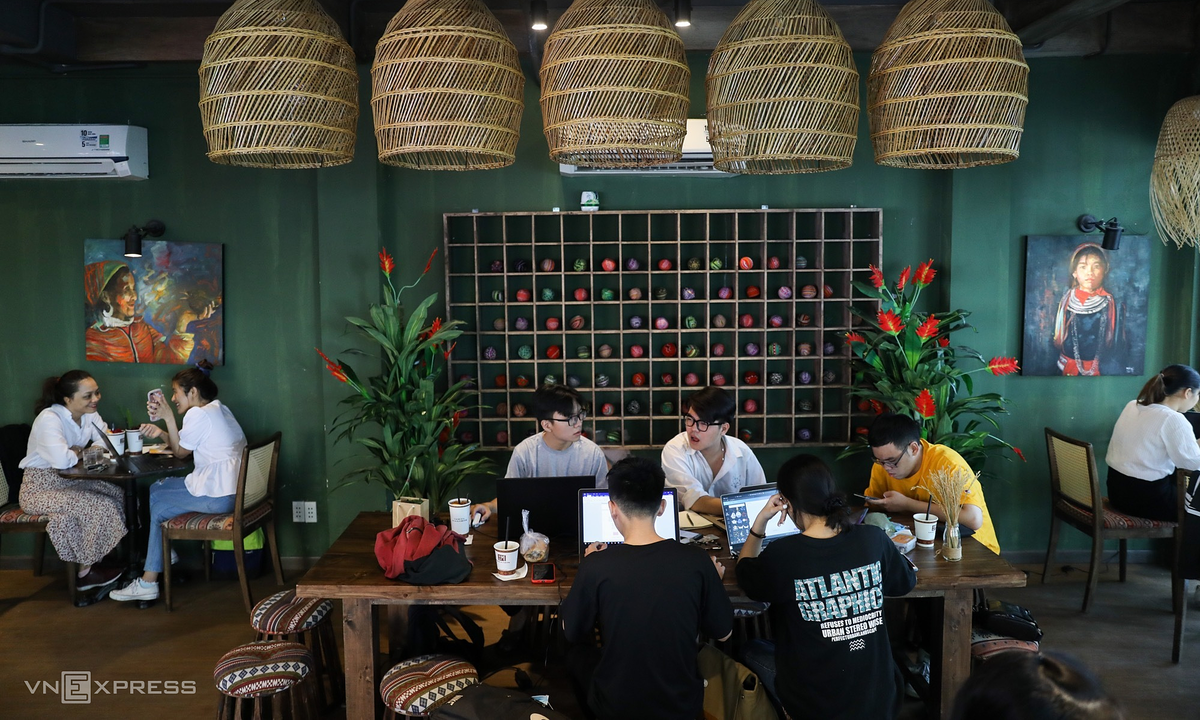
Beyond Vietnam, countries such as the United States, the United Kingdom, and Singapore also collect music royalties from establishments like restaurants and cafes. However, the methods for calculating these royalties vary significantly among these nations.
The specific approaches to royalty collection differ, reflecting diverse legal frameworks and market practices. While the core principle is to compensate artists and rights holders for the public performance of their music, the implementation details are not uniform. These differences can impact the financial obligations of businesses and the revenue streams for the music industry.
The collection of music royalties from commercial establishments is a global practice aimed at ensuring fair compensation for creators. Differences in collection methods across countries like the US, UK, and Singapore highlight the complexities of intellectual property rights management in diverse economic and legal landscapes. These variations can create compliance challenges for international businesses and influence the development of local music industries. Examining these different models offers insights into effective governance structures for intellectual property and potential pathways for harmonization, considering the increasing global reach of digital music platforms and the evolving nature of public performance.
AI-generated to prompt reflection — not editorial opinion, not advice, not a statement of fact. How this works.