How Elevated Cortisol Levels Impair Skin Wound Healing
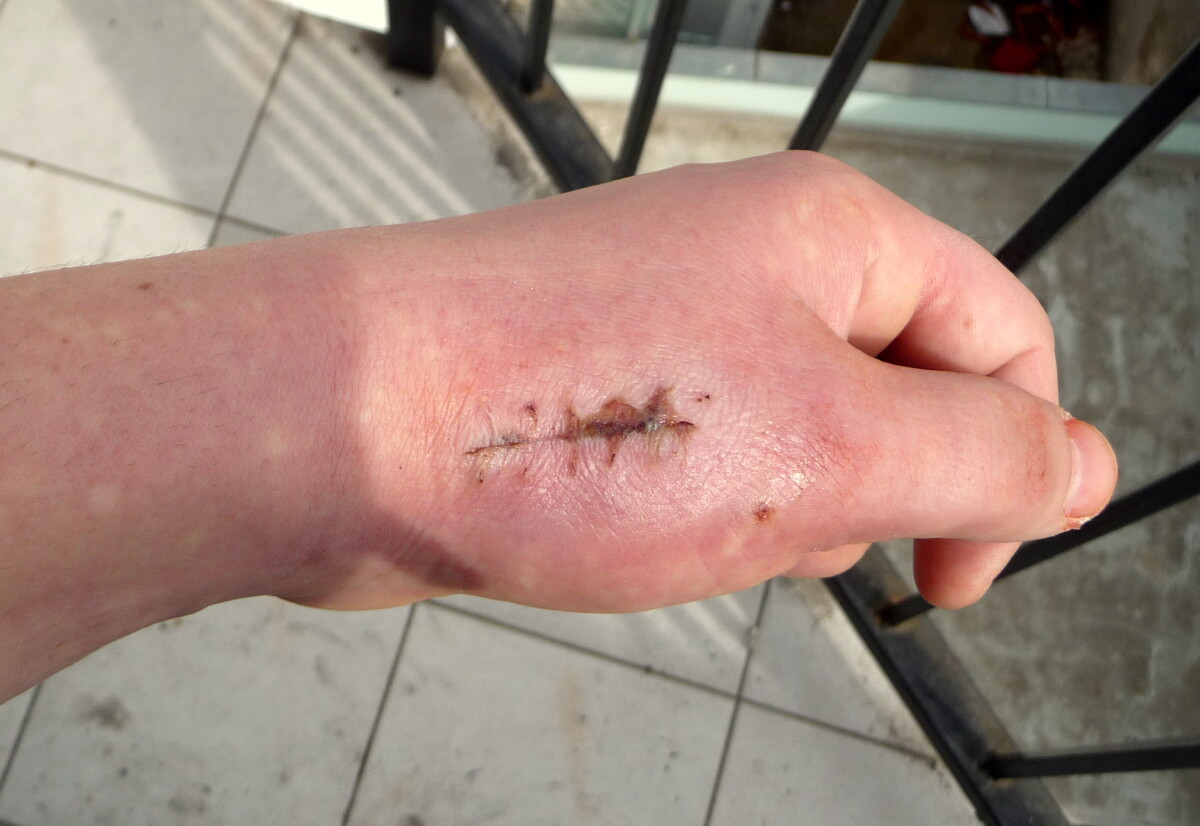
High levels of the hormone cortisol, often associated with stress, can significantly impede the skin's ability to heal wounds. Cortisol's influence extends beyond stress responses, impacting body weight and weakening the epidermis. This hormonal imbalance can disrupt the complex biological processes required for tissue repair. The skin's barrier function, crucial for protection and regeneration, is compromised when cortisol levels remain elevated. This can lead to slower healing times and potentially increase the risk of infection. Understanding this connection is vital for managing chronic stress and its physiological consequences. Further research into the precise mechanisms by which cortisol affects skin cells and their regenerative capacity is ongoing. This knowledge could inform new therapeutic strategies for wound care.
Elevated cortisol, a well-documented physiological response to stress, demonstrates a multifaceted impact on the body, including the impairment of skin wound healing and alterations in body weight. This highlights the interconnectedness of the endocrine system and tissue repair mechanisms. From a systems perspective, chronic stress, leading to sustained high cortisol, can create a state of physiological dysregulation. This may represent an evolutionary trade-off where the body prioritizes immediate survival responses over long-term maintenance and repair functions. Understanding these hormonal pathways is crucial for developing holistic health strategies that address both mental well-being and physical resilience, particularly in the context of aging populations and the increasing prevalence of chronic conditions.
AI-generated to prompt reflection — not editorial opinion, not advice, not a statement of fact. How this works.