How Hair Drug Tests Work and Potential for False Positives
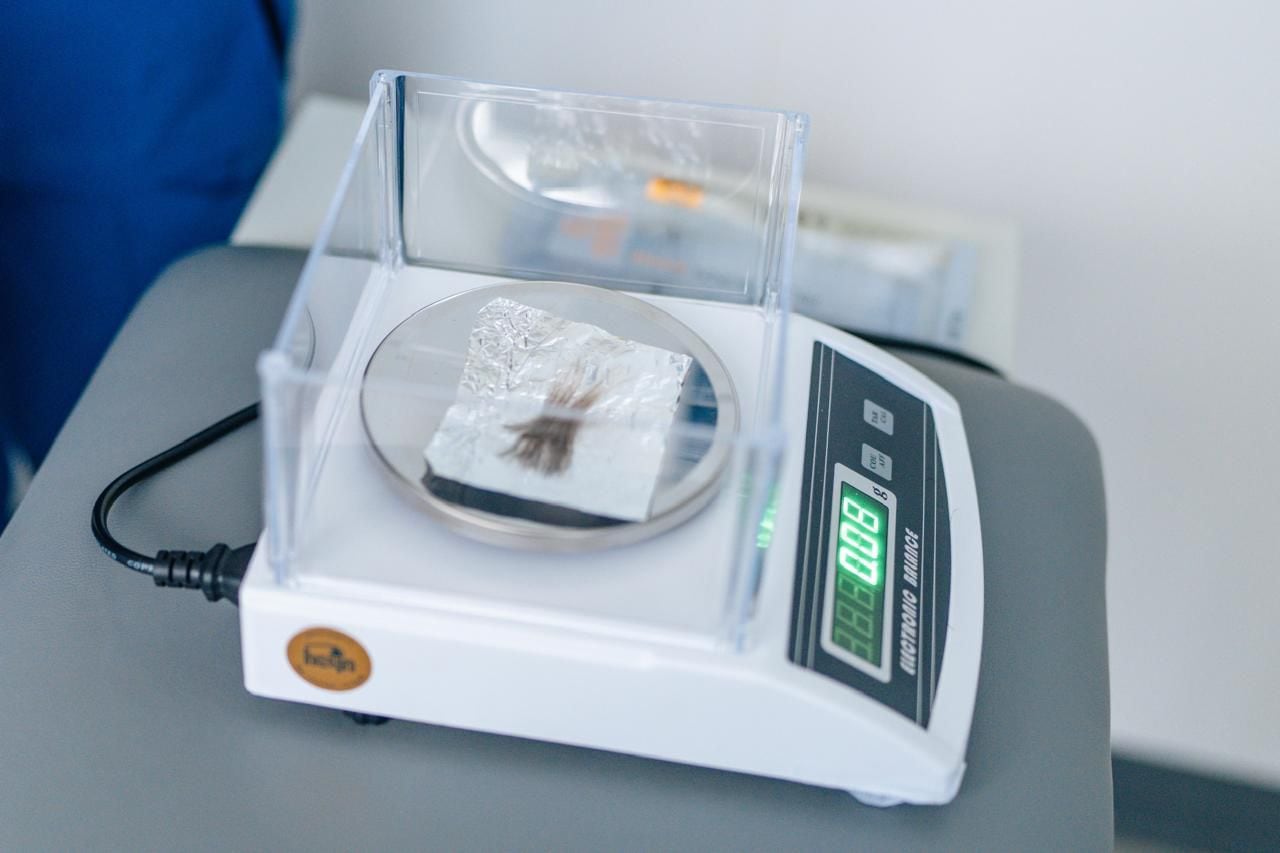
Experts consider hair drug testing to be the most reliable method for detecting substance use in the body. Beyond its accuracy, it is particularly effective at identifying chronic consumption patterns. However, the interpretation of results requires professional expertise, as certain medications can lead to false positive outcomes. The article does not specify the substances detected by hair tests or mention Juan Pablo Rodríguez beyond his name in the headline.
Hair drug testing offers a valuable tool for assessing long-term substance use due to its ability to retain evidence of consumption over extended periods. The potential for false positives, however, highlights the critical need for expert interpretation and robust laboratory protocols. This underscores a broader challenge in forensic science and drug testing: balancing technological capabilities with the complexities of biological and pharmacological interactions. Ensuring accuracy and fairness in such tests requires continuous refinement of detection methods and clear guidelines for interpreting results, especially when external factors like medication can influence outcomes. The system's effectiveness hinges on the interplay between scientific precision and human judgment, with implications for legal, employment, and medical contexts.
AI-generated to prompt reflection — not editorial opinion, not advice, not a statement of fact. How this works.