How Hormones Change After Menopause
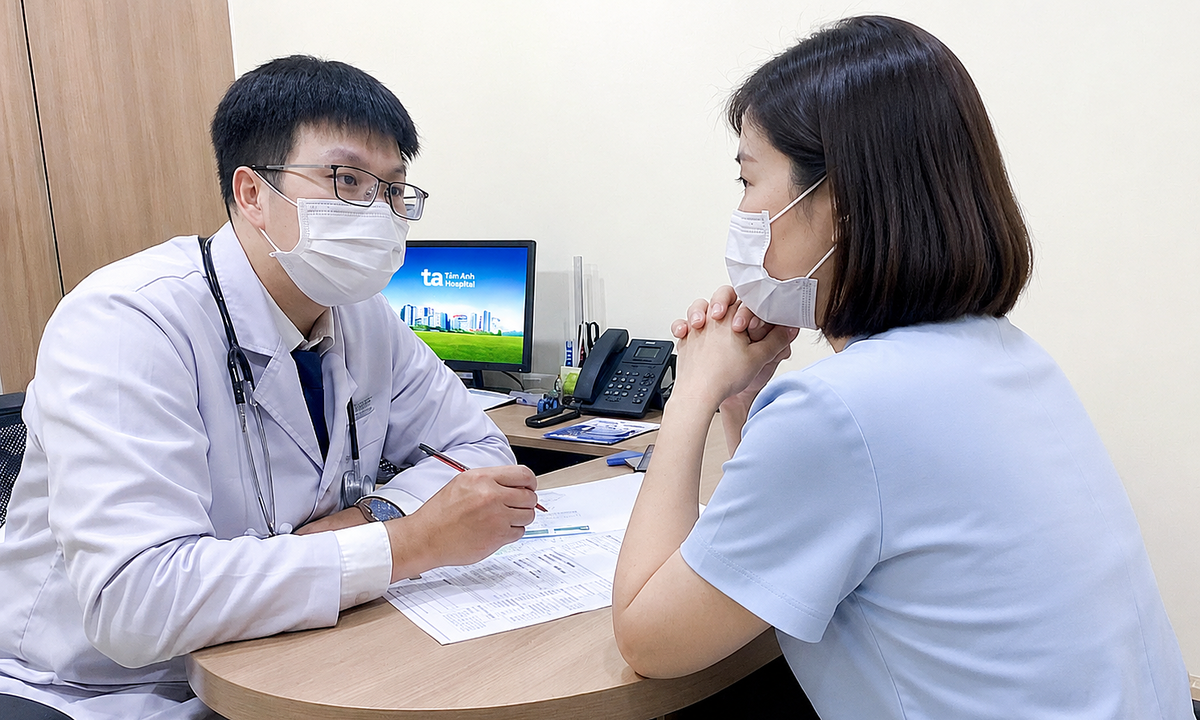
Menopause marks the most significant period of hormonal decline in women, leading to numerous bodily changes. These alterations can affect the skin, hair, and the health of bones and joints. The decline in estrogen and progesterone during menopause is a primary driver of these symptoms. This hormonal shift can manifest in various ways, impacting a woman's overall well-being. Understanding these changes is crucial for managing health effectively during this life stage. The effects can range from cosmetic concerns like skin dryness and thinning hair to more significant health issues such as osteoporosis. Joint pain and stiffness are also commonly reported. Addressing these symptoms often involves lifestyle adjustments and, in some cases, medical interventions.
Menopause represents a natural biological transition characterized by a significant decline in reproductive hormones, primarily estrogen and progesterone. This hormonal shift triggers a cascade of physiological changes impacting various bodily systems, including integumentary, musculoskeletal, and potentially cardiovascular health. The long-term implications of these hormonal changes necessitate proactive health management strategies. Future considerations should focus on systemic approaches to mitigate the adverse effects of estrogen deficiency, such as bone density loss and increased risk of certain chronic diseases, while also acknowledging the individual variability in symptom presentation and response to interventions.
AI-generated to prompt reflection — not editorial opinion, not advice, not a statement of fact. How this works.