How ICE Air Operations Conducts Migrant Deportations in the U.S.
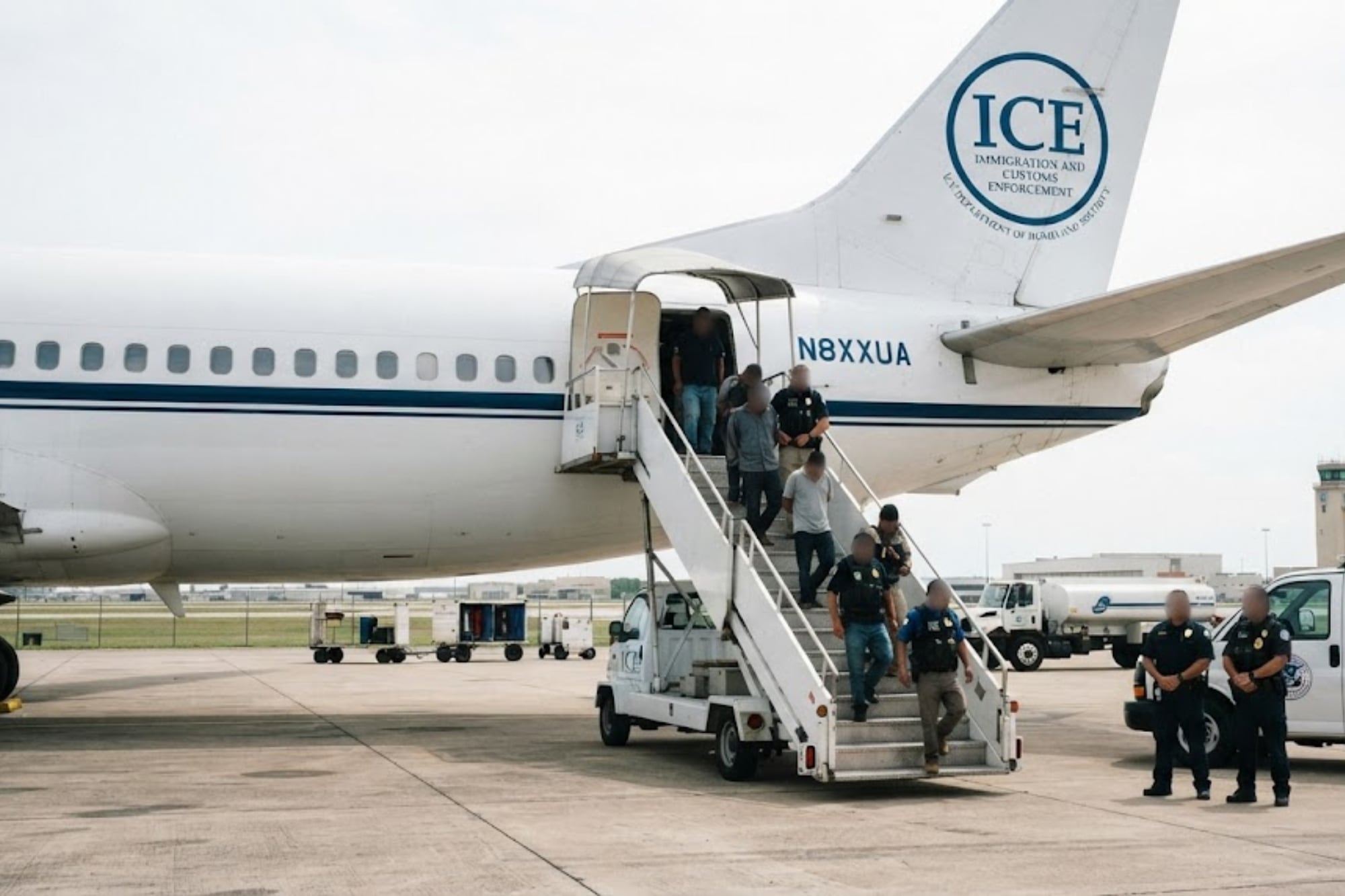
ICE Air Operations is the specialized division within U.S. Immigration and Customs Enforcement (ICE) responsible for executing federal deportations. This unit utilizes air travel to facilitate the removal of migrants from the United States. Its operations involve the logistical coordination required to transport individuals who have been ordered to leave the country. The primary function of ICE Air Operations is to manage and execute the aerial component of federal deportation proceedings. This includes planning flight routes, ensuring security during transit, and coordinating with international authorities for the reception of deportees. The unit plays a critical role in the enforcement of immigration laws by providing the means for rapid and widespread removal of individuals across vast distances. Its existence highlights the significant resources dedicated to managing and enforcing immigration policies through aerial means. The scope of its activities underscores the complex nature of immigration enforcement and the infrastructure required to support it.
ICE Air Operations represents a key logistical component of U.S. immigration enforcement, utilizing air transport to execute federal deportation orders. The efficiency and scale of such operations are influenced by factors such as international agreements, resource allocation, and evolving immigration policies. From a systems perspective, the reliance on aerial deportation raises questions about the long-term sustainability and humanitarian implications of such methods, particularly in the context of global migration trends and the increasing focus on human rights. Future considerations may involve exploring alternative enforcement strategies that balance national security interests with international legal obligations and ethical standards.
AI-generated to prompt reflection — not editorial opinion, not advice, not a statement of fact. How this works.
