How Kulfi Was Frozen in Mughal Times Without Refrigeration
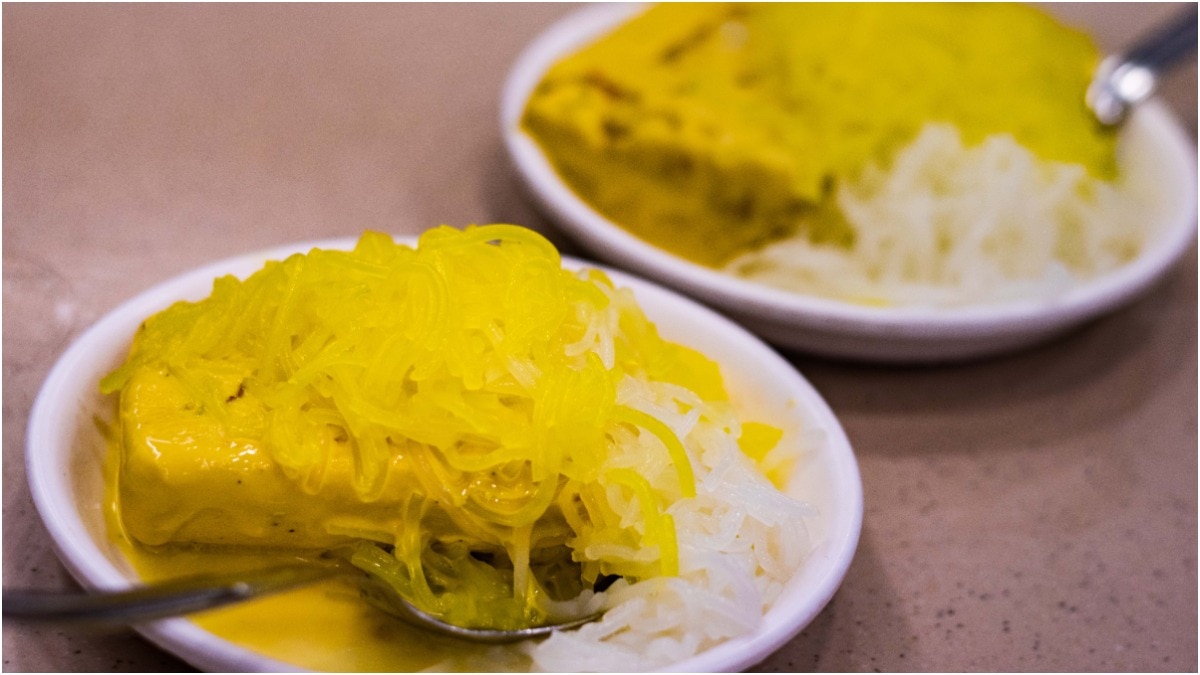
This article explores the historical methods used to freeze kulfi during the Mughal era, a time before modern refrigeration and electricity. It delves into the scientific principles and logistical challenges involved in preserving ice brought from the Himalayas over long distances. The piece questions how this ice, transported hundreds of kilometers, managed to avoid melting and how kulfi was prepared using a mixture of ice and salt.
The process highlights a fascinating intersection of history and science. Understanding these techniques provides insight into the ingenuity of past civilizations in overcoming environmental limitations. The article aims to shed light on the practical science behind ancient food preservation methods, particularly for a popular frozen dessert.
The historical practice of preserving ice for freezing kulfi without modern technology demonstrates a sophisticated understanding of thermodynamics and logistics. The use of ice and salt mixtures to achieve temperatures below freezing, and the methods employed to insulate and transport ice from the Himalayas, highlight ancient resourcefulness. This approach contrasts with modern energy-intensive refrigeration, prompting consideration of sustainable and low-energy food preservation systems. Examining these historical techniques can offer valuable perspectives on resource management and technological innovation, particularly in the context of evolving climate and energy landscapes.
AI-generated to prompt reflection — not editorial opinion, not advice, not a statement of fact. How this works.